
Top Trends in Pigment and Dye Innovations


Introduction to Pigment and Dye Innovations
The world of pigments and dyes is vibrant and constantly evolving. With advancements in technology, the industry is seeing a wave of innovation that promises to revolutionize various sectors, from fashion to art, and even technology. In this post, we’ll explore some of the top trends driving these changes.
Eco-Friendly Alternatives
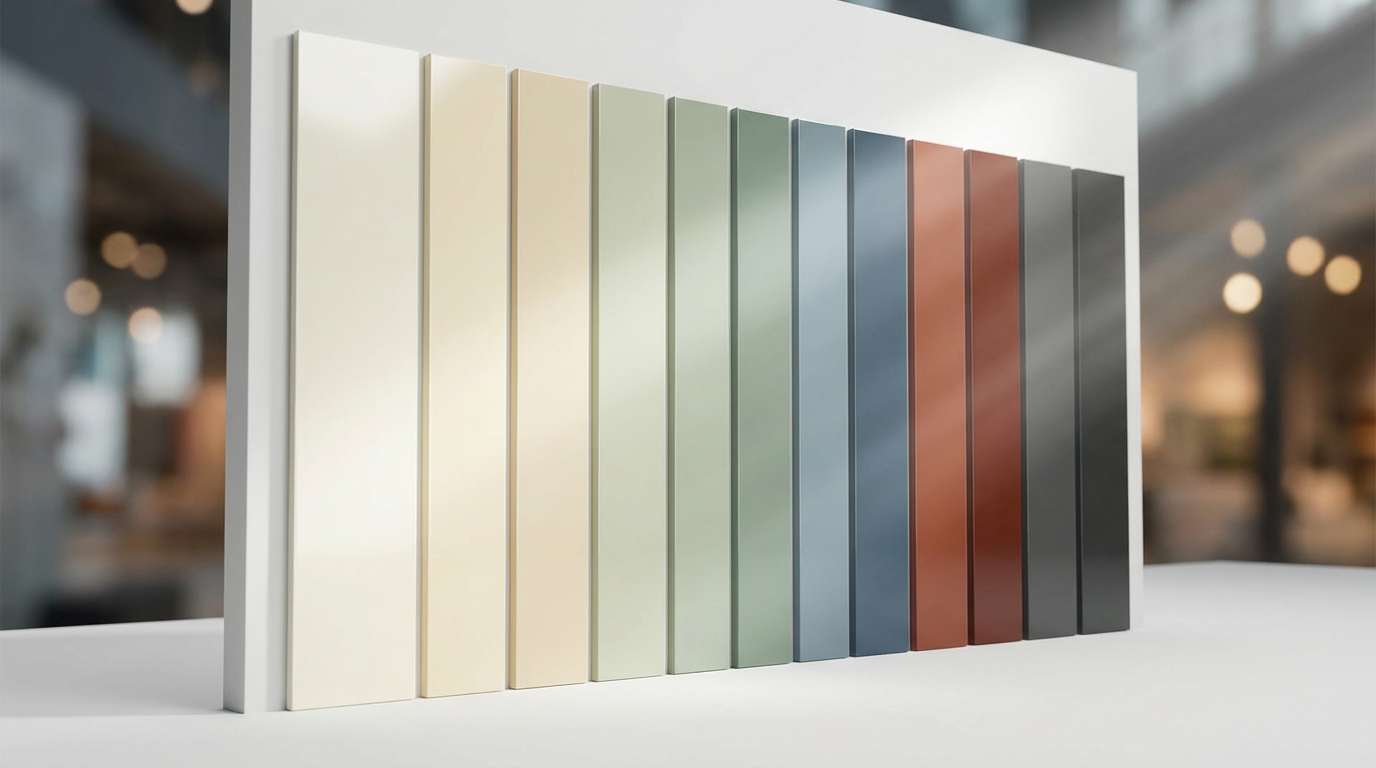
One of the most significant trends is the shift towards eco-friendly pigments and dyes. As environmental concerns grow, the demand for sustainable and non-toxic alternatives is increasing. Companies are developing dyes from natural sources such as plants, minerals, and even microorganisms, reducing the reliance on harmful chemicals.
Not only do these alternatives lessen environmental impact, but they also provide unique color profiles that are difficult to replicate with synthetic dyes. This trend is particularly strong in the textile industry, where brands are eager to showcase their commitment to sustainability.
Smart and Functional Dyes
Smart dyes are becoming a game-changer in various industries. These dyes have properties that allow them to change color in response to environmental stimuli, such as temperature, light, or pH levels. This innovation is paving the way for new applications in fields like fashion, safety, and healthcare.
For instance, clothing manufacturers are experimenting with color-changing fabrics that adjust to temperature changes, providing both functionality and fashion appeal. Similarly, in the medical field, smart dyes are being used to indicate changes in pH levels, helping in diagnosis and monitoring of health conditions.

Digital Printing and Customization
The advent of digital printing technology has transformed how pigments and dyes are utilized. Digital printing allows for precise and customized color application, enabling brands to offer personalized products to consumers. This technology is particularly popular in the fashion and interior design sectors.
With digital printing, companies can produce intricate designs with a broad spectrum of colors, all while reducing waste associated with traditional dyeing methods. This innovation supports the growing consumer demand for personalized and unique items.
Nanotechnology in Pigments
Nanotechnology is another frontier in pigment innovation. By manipulating materials at the nanoscale, scientists are creating pigments with enhanced properties, such as increased durability, UV resistance, and more vibrant colors. This technology is being applied in numerous industries, from automotive to cosmetics.
For example, automotive manufacturers are using nanopigments to create car paints that are more resistant to scratches and fading. In cosmetics, nanopigments are providing more vivid and long-lasting colors in makeup products.

Conclusion
The innovations in pigments and dyes are not only reshaping industries but also addressing some of the pressing environmental and functional challenges of our time. As technology continues to advance, we can expect even more exciting developments that will further enhance the way we use color in our daily lives.