
Top Trends in Natural Dyes: What to Expect Next


Embracing the Natural Dye Revival
The world of fashion and textiles is witnessing a significant shift as natural dyes make a triumphant return. This resurgence is driven by an increased awareness of sustainable practices and a desire to connect with traditional craftsmanship. As we look forward, several exciting trends are shaping the landscape of natural dyes, promising innovation and creativity.
Natural dyes, derived from plant, mineral, and animal sources, offer a rich palette of colors without the environmental impact associated with synthetic dyes. This eco-friendly approach is not just a trend but a movement towards more sustainable fashion. Let's explore what the future holds for natural dyes.
Innovative Sources for Natural Dyes
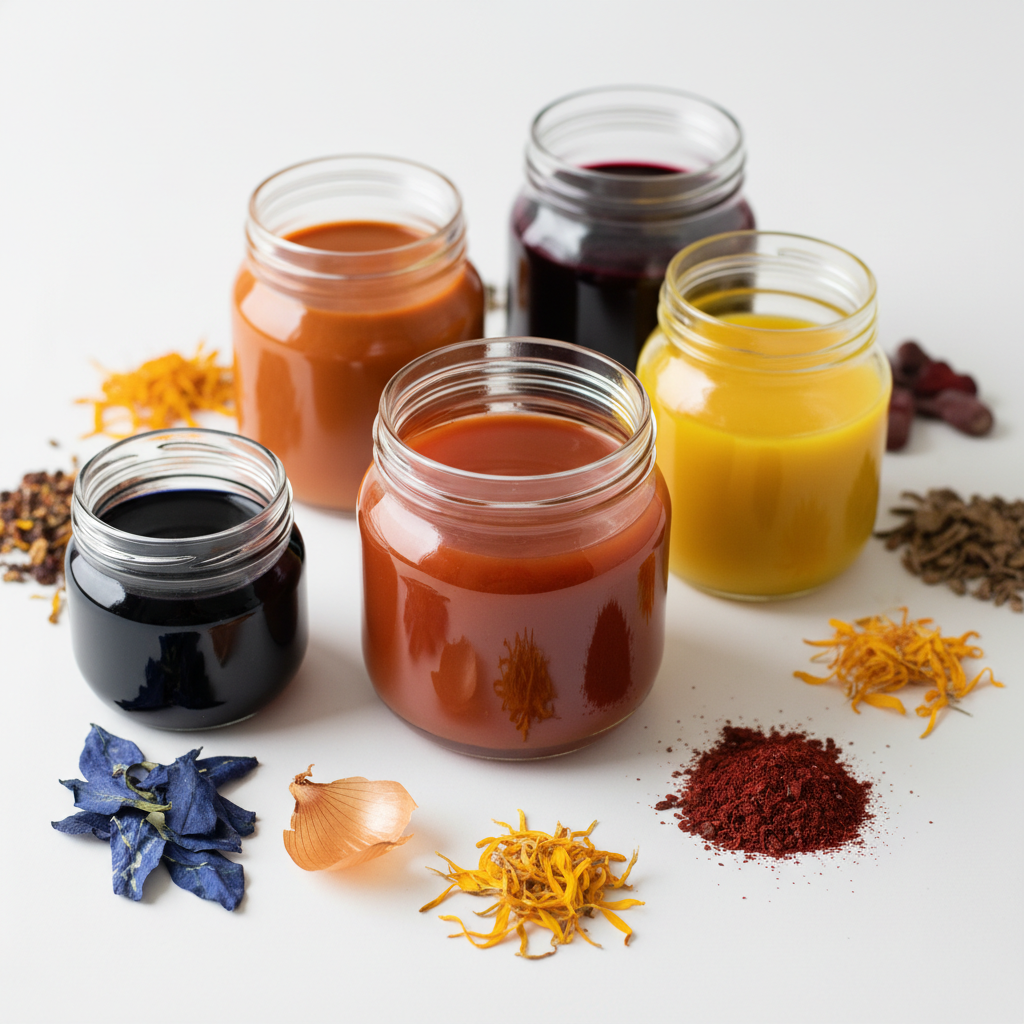
One of the emerging trends in natural dyes is the exploration of unconventional sources. While traditional materials like indigo and madder remain popular, there is a growing interest in using food waste, such as onion skins and avocado pits, as dye sources. This not only reduces waste but also creates unique color variations.
Another exciting development is the use of microorganisms in dye production. Researchers are experimenting with bacteria and fungi to develop vibrant hues, offering a promising avenue for sustainable dyeing techniques. This bio-based approach could revolutionize the industry by providing an endless supply of natural colors.
Enhanced Techniques and Technology
Advancements in technology are enhancing the application and durability of natural dyes. Modern techniques allow for better fixation of dyes, ensuring colors remain vibrant and last longer. This improvement addresses one of the traditional concerns about natural dyes: their tendency to fade more quickly than synthetic counterparts.
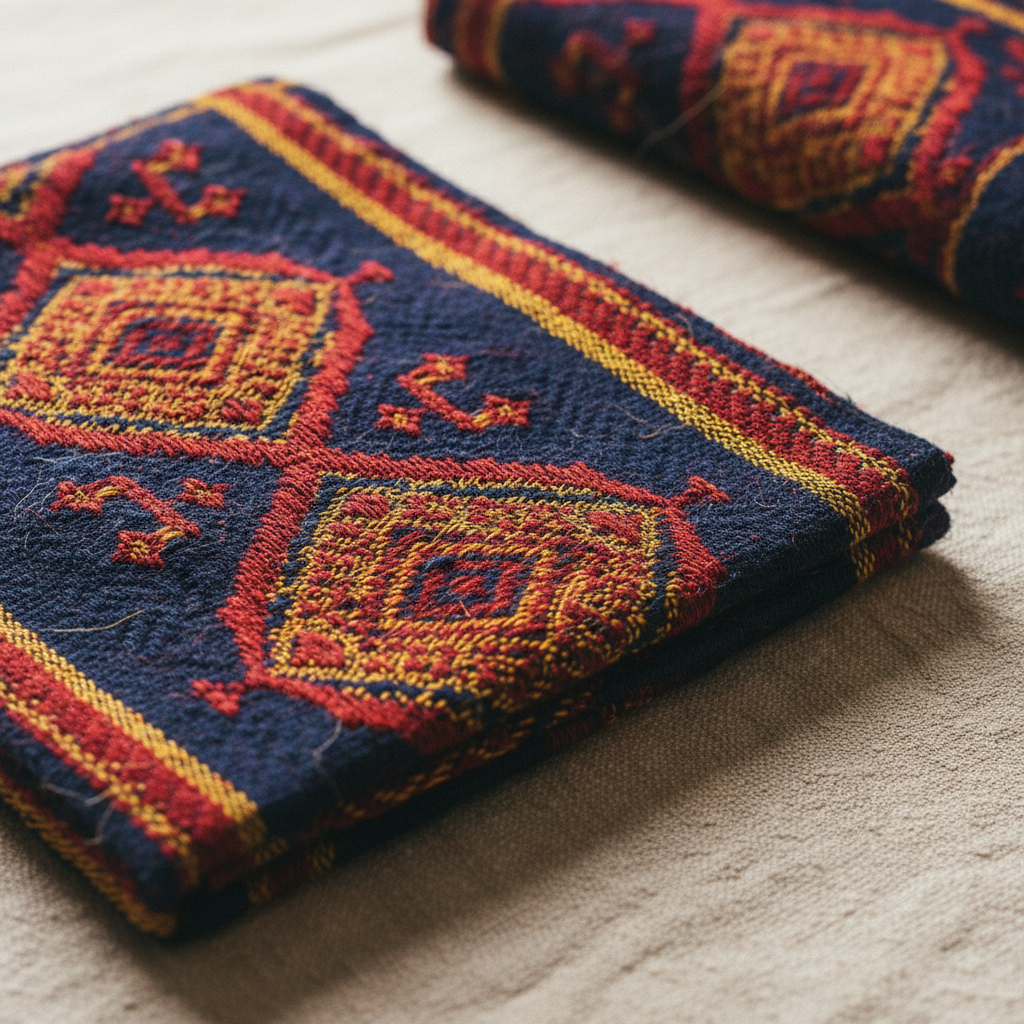
Digital tools are also playing a role in this transformation. Designers are using software to predict dye outcomes, enabling more precise control over color production. This fusion of technology and tradition is opening up new possibilities for designers seeking to create sustainable collections.
Community and Cultural Influence
The revival of natural dyes is also about preserving cultural heritage. Many communities around the world have a rich history of using natural dyes, and today's designers are collaborating with artisans to keep these traditions alive. This collaboration is not only about preserving techniques but also about fostering cultural exchange and appreciation.
Moreover, there is a growing trend towards community-based dyeing projects. These initiatives support local economies and encourage a sense of community ownership over sustainable practices. By involving local artisans, brands can create unique, culturally rich products that resonate with consumers seeking authenticity.
The Role of Education and Awareness
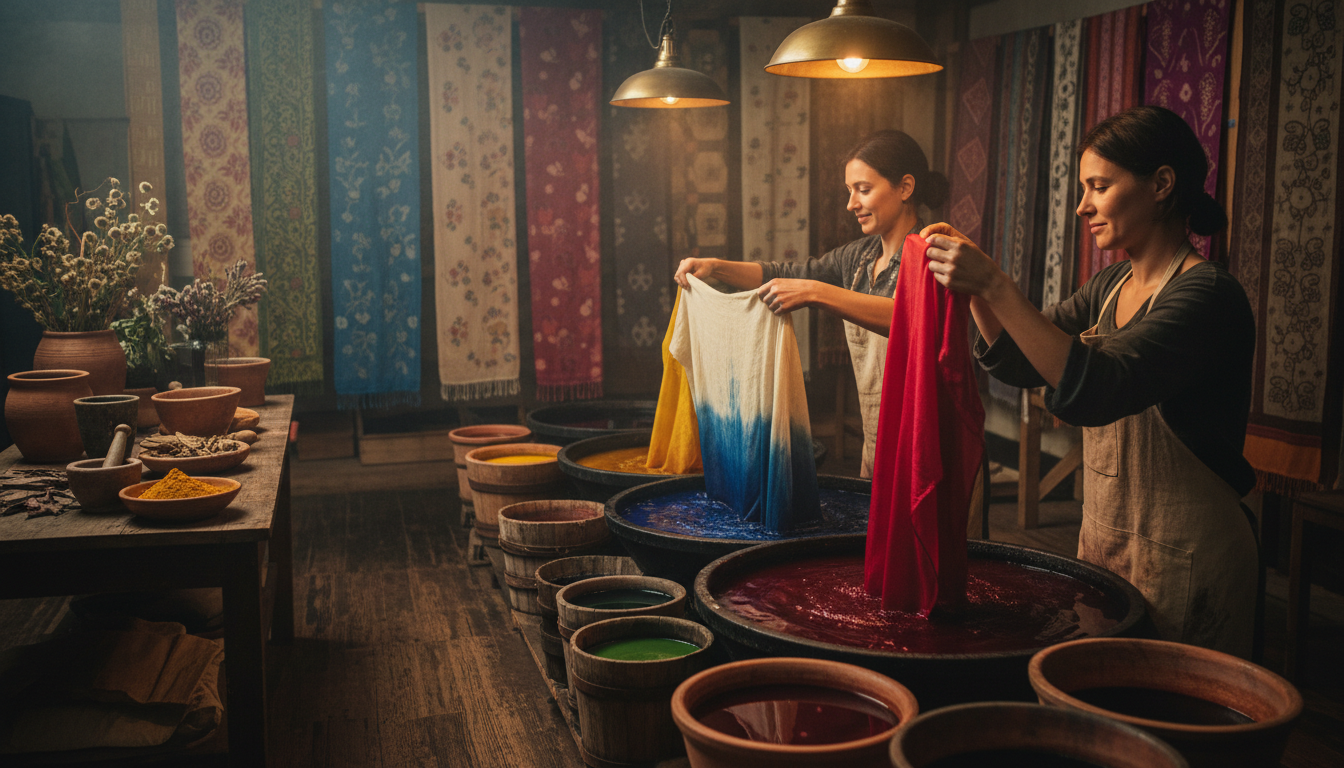
Education plays a crucial role in the natural dye movement. Workshops and courses are becoming more popular, allowing individuals to learn about natural dyeing processes. This hands-on experience empowers people to make informed choices and appreciate the art behind their clothing.
As consumers become more aware of the environmental impact of their purchases, the demand for transparency and ethical practices is growing. Brands that embrace natural dyes and educate their customers about the benefits are likely to gain a competitive edge in the market.
Conclusion: A Vibrant Future for Natural Dyes
The future of natural dyes looks bright as innovation, tradition, and sustainability converge. By embracing new sources, technologies, and community-driven projects, the industry is setting a course for a more sustainable and creative future. As consumers continue to demand ethical and eco-friendly options, natural dyes will undoubtedly play a pivotal role in reshaping the textile landscape.