
Top Trends in Food Coloring: Innovations and Insights


Understanding the Evolution of Food Coloring
Food coloring has been around for centuries, evolving from natural sources like plants and minerals to synthetic dyes. Today, the industry is witnessing a shift back towards natural alternatives, driven by consumer demand for healthier options. This transition is not just about health, but also about sustainability and innovation.
As consumers become more health-conscious, they are increasingly aware of what goes into their food. This has led to a growing preference for natural colorings derived from fruits, vegetables, and spices. Companies are responding by investing in research to find vibrant, stable, and cost-effective natural color solutions.
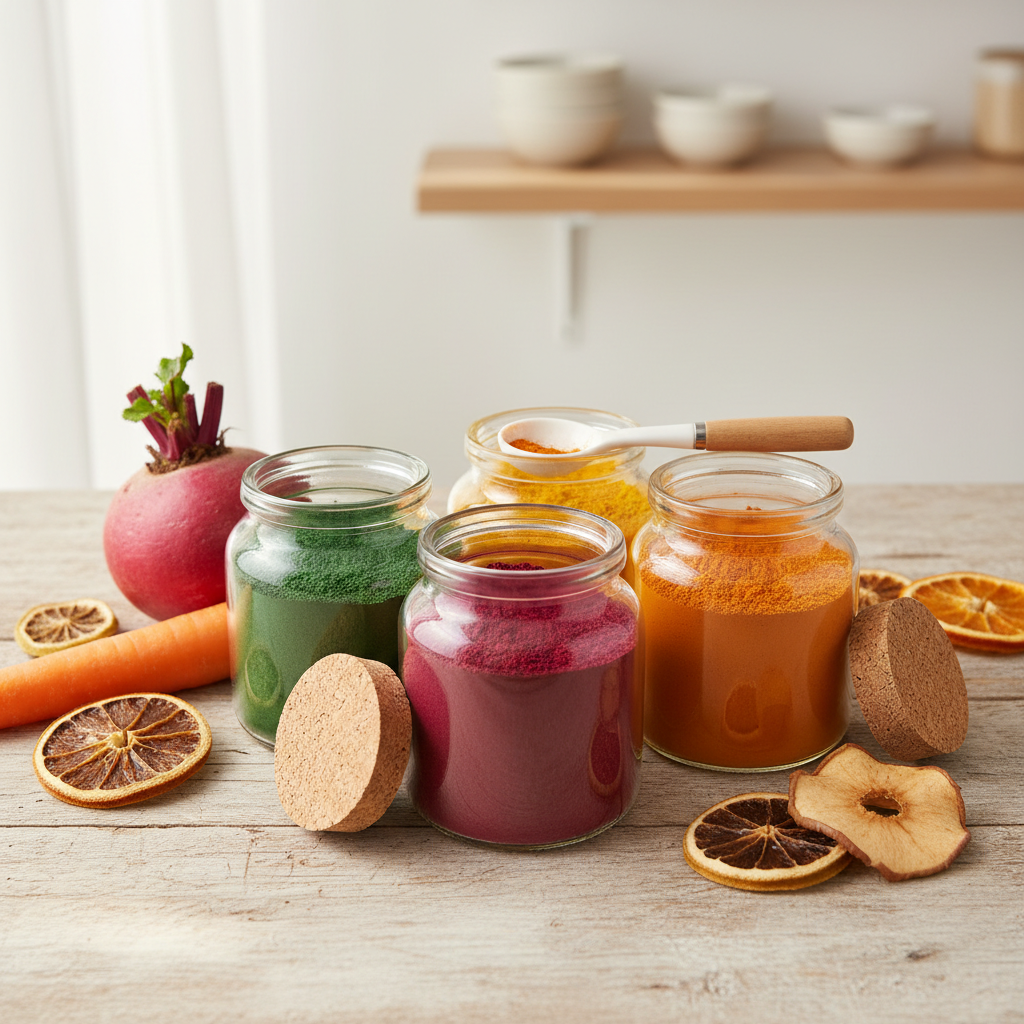
Natural Colorants: The Power of Plants
Natural colorants are gaining popularity due to their perceived health benefits and eco-friendliness. Ingredients like beet juice, turmeric, and spirulina are being used to create a spectrum of colors, from deep reds and yellows to rich blues and greens. These natural sources not only provide color but also add nutritional value to the food.
However, using natural colorants isn't without challenges. They often require specific processing conditions to maintain their stability and vibrancy, and can sometimes affect the taste of the final product. Companies are continuously innovating to overcome these challenges, ensuring that natural colors perform as well as their synthetic counterparts.
Technological Innovations in Food Coloring
The food coloring industry is embracing technology to enhance the quality and application of colors. Advanced extraction techniques, such as supercritical fluid extraction, are being used to obtain purer and more concentrated natural colorants. These methods help in achieving brighter and more consistent colors.
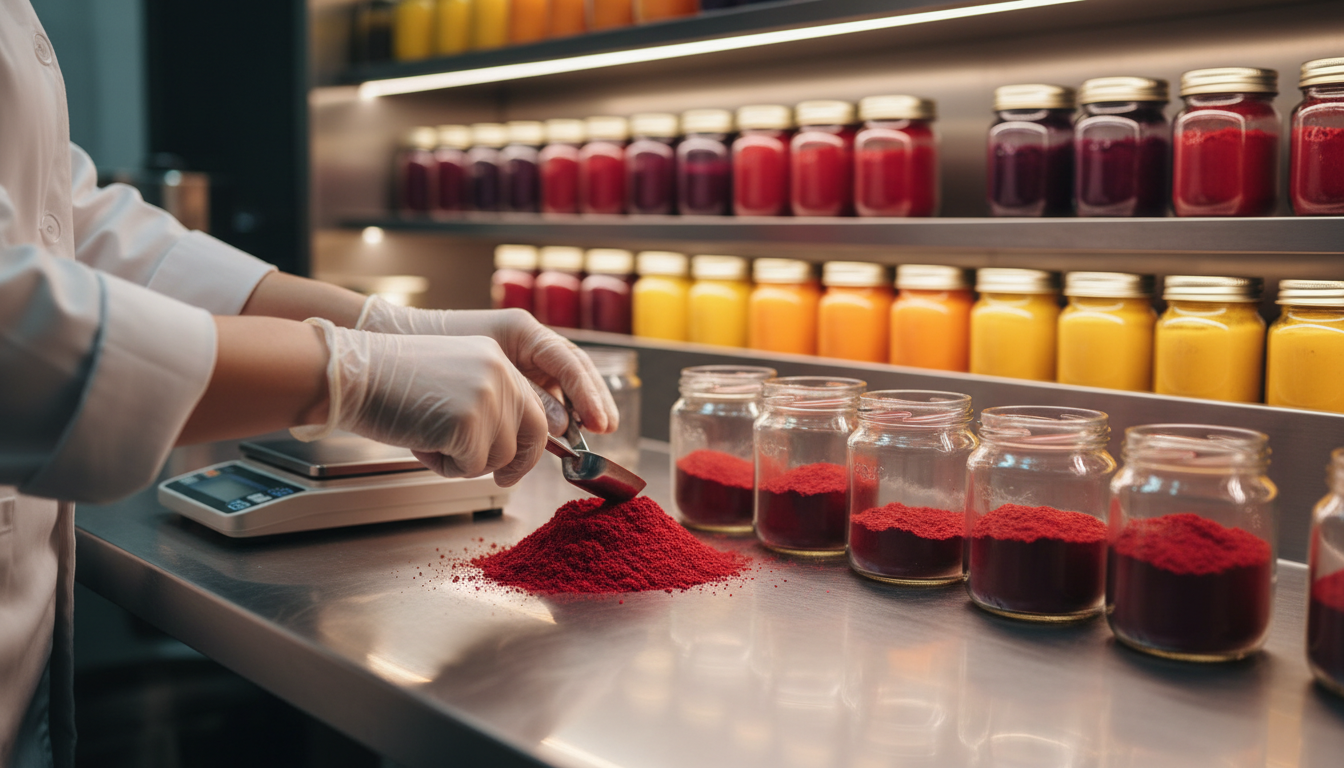
Additionally, the use of microencapsulation technology is on the rise. This technique involves encasing color particles in a protective coating, which helps in preserving their stability and extending shelf life. This innovation is particularly beneficial for natural colors, which are often more sensitive to environmental factors.
Consumer Insights and Market Trends
Understanding consumer preferences is crucial for the food coloring industry. There's a clear trend towards transparency and clean labeling, with consumers wanting to know exactly what ingredients are in their food. This has led to a surge in demand for products labeled with natural or organic colors.
Furthermore, there is an increasing interest in personalized and customizable food products. This trend has prompted the development of bespoke color solutions that cater to specific dietary preferences or brand aesthetics. Companies are now offering a wider range of color options to meet these diverse consumer needs.

The Future of Food Coloring
Looking ahead, the future of food coloring seems vibrant and promising. With ongoing research and innovation, companies are likely to discover new sources of natural colorants and refine existing technologies. This will not only expand the palette of available colors but also improve their performance and sustainability.
As the industry progresses, collaborations between food scientists, technologists, and marketers will be essential. By working together, they can create products that not only appeal to the eyes but also align with consumer values and expectations.
In conclusion, the world of food coloring is undergoing a transformative phase. With a focus on health, sustainability, and innovation, the industry is poised to deliver exciting developments that will change the way we perceive and enjoy food.