Top Trends in Coloranti Naturali for Eco-Friendly Beauty Products


Introduction to Natural Colorants
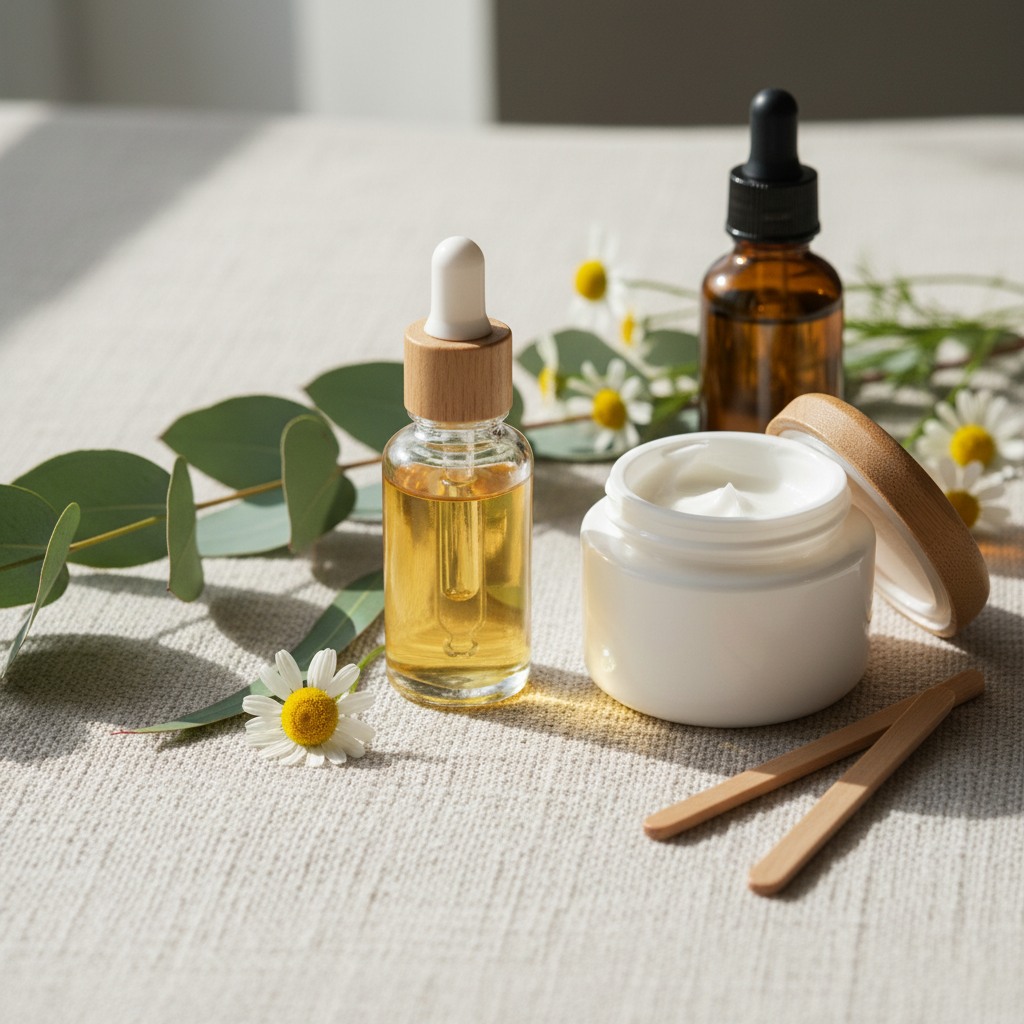
In recent years, there has been a significant shift towards eco-friendly beauty products. As consumers become more conscious of the ingredients they apply to their skin, the demand for natural alternatives has skyrocketed. One area where this trend is particularly evident is in the use of coloranti naturali or natural colorants.
Natural colorants offer a sustainable and non-toxic way to add vibrant hues to beauty products. Derived from plants, minerals, and other natural sources, these colorants are not only safer for the skin but also better for the environment.

Plant-Based Colorants
Plant-based colorants are among the most popular choices in eco-friendly beauty products. These colorants are extracted from fruits, vegetables, and herbs, providing a wide range of colors and benefits. For instance, beetroot offers a rich red hue, while turmeric provides a warm yellow tone.
In addition to their color, plant-based colorants often come with added skincare benefits. Many contain antioxidants, vitamins, and minerals that nourish the skin. This dual functionality makes them highly desirable in the beauty industry.
Examples of Plant-Based Colorants
- Spirulina: Known for its vibrant blue-green pigment.
- Hibiscus: Offers a lovely pink-red shade.
- Henna: Provides a range of browns and reds.
Mineral-Based Colorants
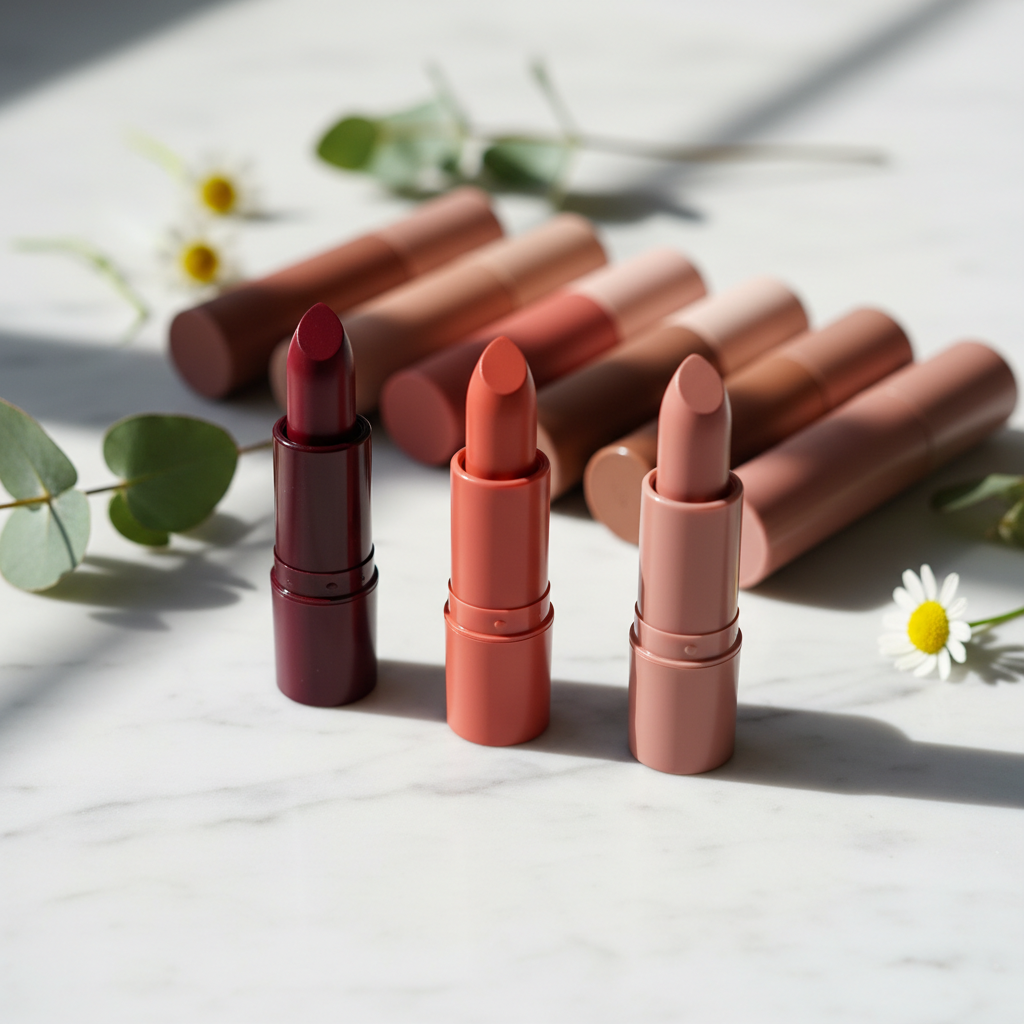
Mineral-based colorants are another trend gaining traction in eco-friendly beauty circles. These colorants are derived from naturally occurring minerals and are often used in makeup products such as foundations, blushes, and eyeshadows.
One of the key benefits of mineral colorants is their ability to provide long-lasting wear while being gentle on sensitive skin. They typically contain ingredients like iron oxides, mica, and titanium dioxide, which offer natural sun protection and a wide range of color options.
Advantages of Mineral Colorants
- Non-Toxic: Free from harmful chemicals.
- Versatile: Suitable for various skin types.
- Eco-Friendly: Minimal environmental impact.

Sustainability and Ethical Sourcing
As the demand for natural colorants grows, so does the importance of sustainability and ethical sourcing. Many beauty brands are now prioritizing transparency in their supply chains, ensuring that the ingredients they use are harvested responsibly.
Collaborating with local communities and investing in sustainable farming practices are some of the ways companies are making a positive impact. This not only supports environmental conservation but also helps in creating economic opportunities for small-scale farmers.
The Future of Natural Colorants
Looking ahead, the trend towards natural colorants shows no signs of slowing down. As technology advances, we can expect even more innovative uses of these eco-friendly ingredients. The beauty industry is poised to continue embracing sustainability, offering consumers products that are both effective and environmentally responsible.
With growing awareness and demand, natural colorants are set to become a staple in beauty routines worldwide, reflecting a broader shift towards a more sustainable and health-conscious lifestyle.