The Ultimate Guide to Natural Dyes: Transform Your Fabrics Sustainably


Introduction to Natural Dyes
Natural dyes have been used for centuries to color fabrics, offering a sustainable alternative to synthetic dyes. Derived from plants, minerals, and insects, these dyes provide a rich palette of colors while minimizing environmental impact. Whether you're a hobbyist or a professional, learning to use natural dyes can transform your textile projects.
Benefits of Using Natural Dyes
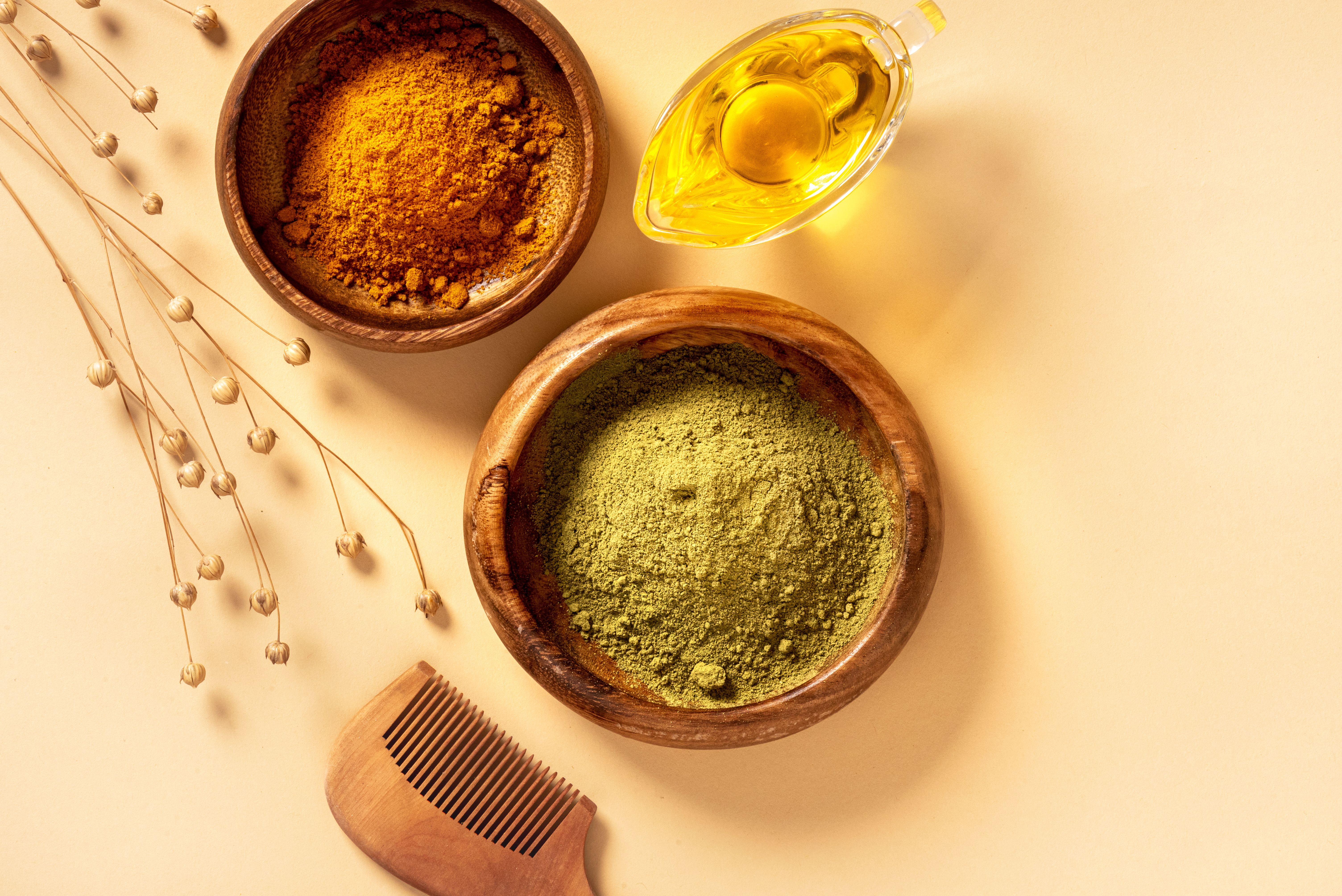
One of the primary benefits of natural dyes is their environmental friendliness. Unlike chemical dyes, they don't release harmful substances into waterways. Additionally, natural dyes are often biodegradable and non-toxic, making them safer for both humans and wildlife.
Furthermore, natural dyes offer unique colors and textures that are difficult to replicate with synthetic options. Each dye batch can yield slightly different results, allowing for truly unique creations. This variability is part of the charm and appeal of working with natural dyes.
Common Sources of Natural Dyes
Natural dyes can be sourced from a variety of materials found in nature. Some common plant-based dyes include:
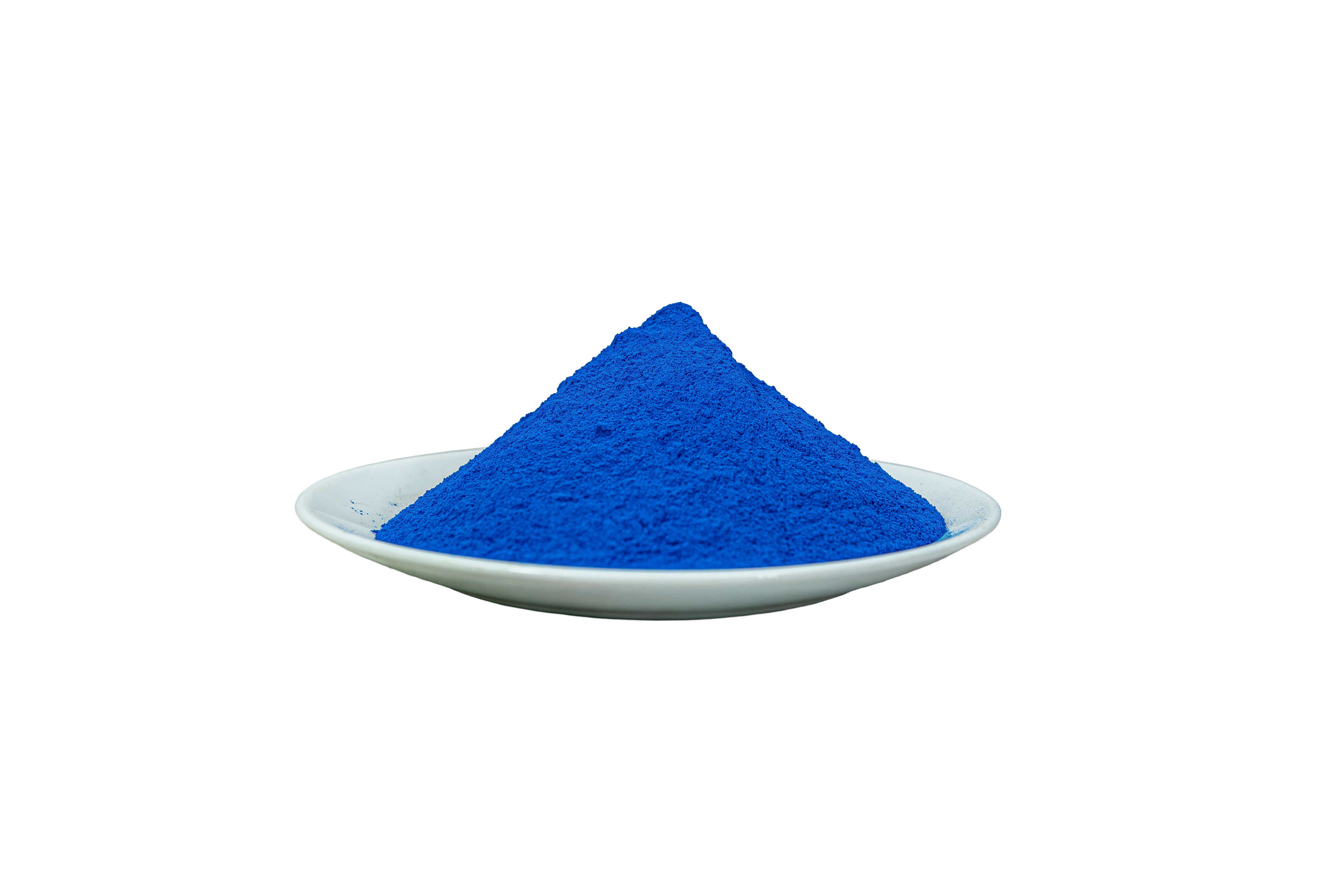
- Indigo: Known for its deep blue color, indigo is derived from the leaves of the indigo plant.
- Madder Root: Provides a range of red hues and has been used since ancient times.
- Turmeric: This spice offers a vibrant yellow dye.
In addition to plants, some dyes are obtained from minerals and insects. For instance, cochineal insects produce a brilliant red dye, while iron can give fabrics a gray or black tone.
Preparing Fabrics for Dyeing
Before dyeing, it's essential to prepare your fabrics properly. This usually involves a process called mordanting, which helps the dye bind to the fabric. Common mordants include alum, iron, and tannin. Each mordant can affect the final color, providing a range of shades from a single dye source.
Begin by washing your fabric to remove any finishing agents or impurities. Then, soak the material in a mordant solution according to the specific instructions for the dye you're using. Proper preparation ensures vibrant, long-lasting colors.

The Dyeing Process
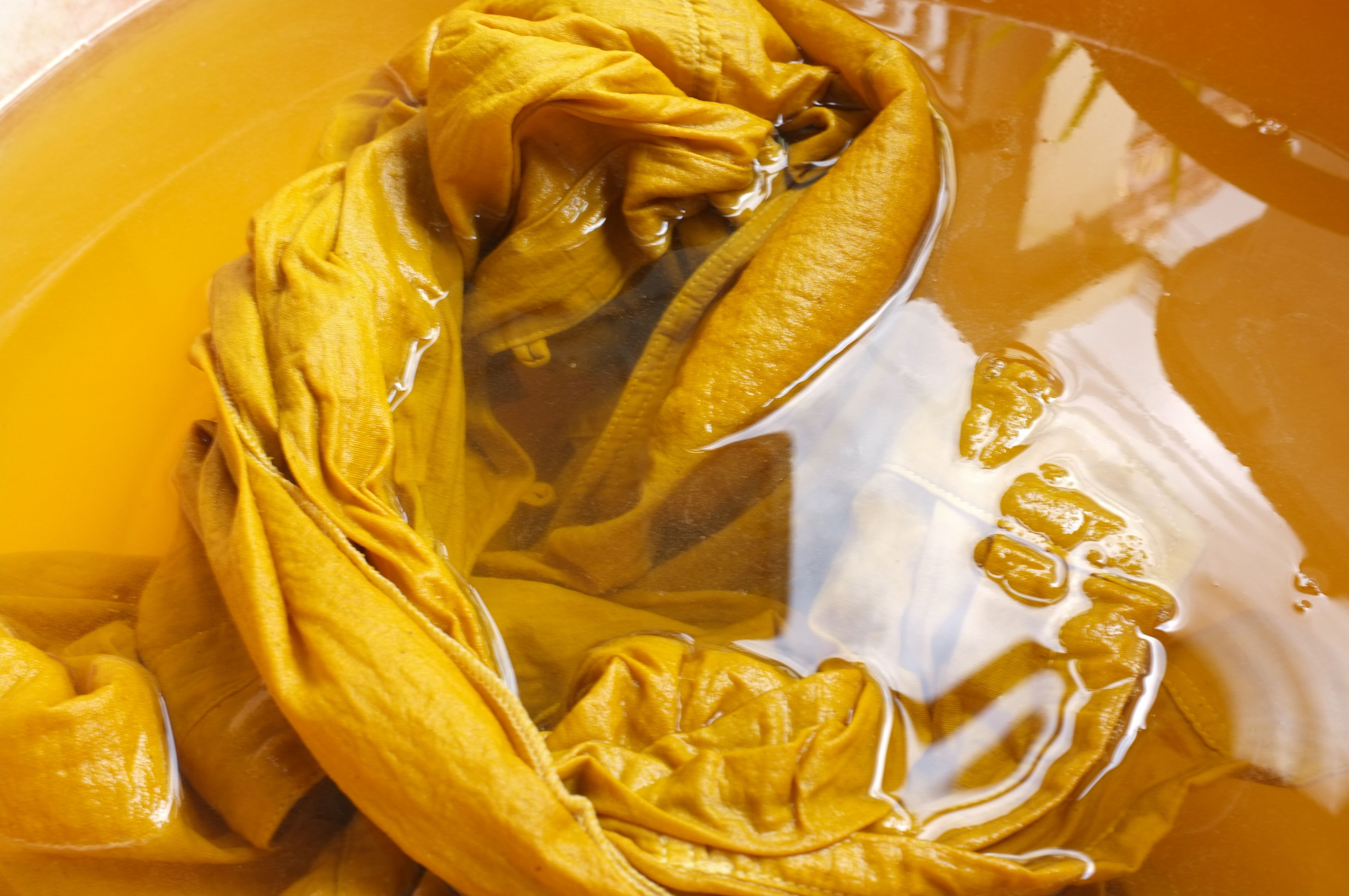
Once your fabric is prepared, it's time to start dyeing. The basic process involves simmering your dye source in water to extract the color. After straining out the solids, immerse your fabric in the dye bath and let it soak until the desired color is achieved. This can take anywhere from 30 minutes to several hours.
Remember that the color will often appear darker when wet and lighten as it dries. You can experiment with different dye concentrations and soaking times to achieve various shades.
Caring for Naturally Dyed Fabrics
Natural dyes may require special care to maintain their vibrancy. It's best to wash naturally dyed fabrics by hand in cold water with a mild detergent. Avoid prolonged exposure to sunlight, as this can cause fading over time.
Store dyed fabrics in a cool, dark place to preserve their color. With proper care, naturally dyed textiles can remain beautiful for years to come.
Conclusion: Embrace the Art of Natural Dyeing
Natural dyeing is a rewarding craft that connects us with centuries of tradition while promoting sustainability. By choosing natural dyes, you contribute to a healthier planet and enjoy the unique beauty that only nature can provide. Whether you're dyeing for personal projects or as part of a business, the possibilities are endless.