
How to Use Pigments in Art and Design: Tips from Milan’s Experts


When it comes to art and design, pigments play an essential role in bringing ideas to life. Whether you're an aspiring artist or a seasoned designer, understanding how to use pigments effectively can elevate your work to new heights. In this post, we'll explore expert tips from Milan, a city renowned for its rich art and design heritage, to help you master the art of pigments.
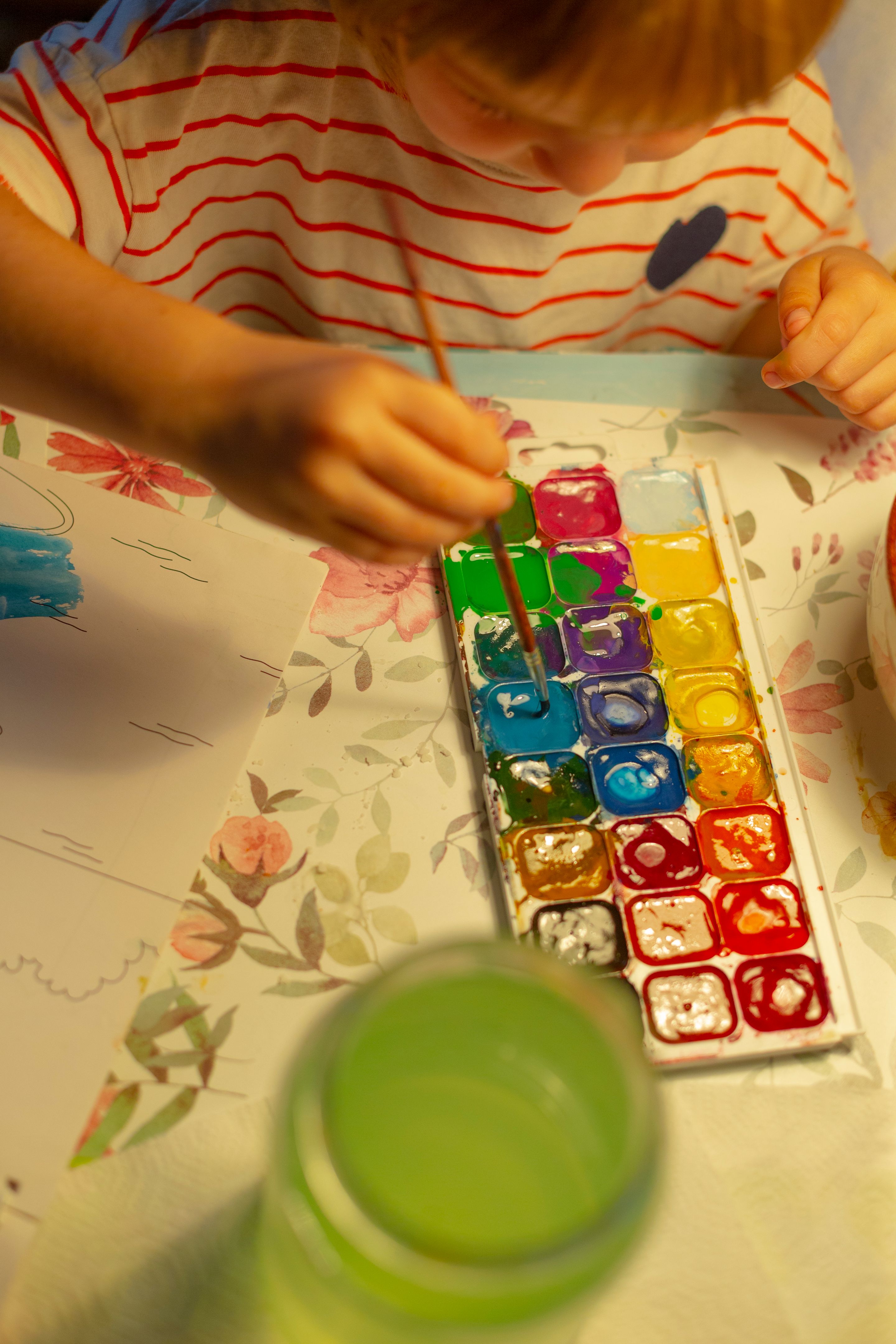
Understanding the Basics of Pigments
Pigments are finely ground colored powders that are mixed with a binding medium to create paint or other colored substances. They can be derived from various sources, including minerals, plants, and synthetic compounds. Understanding the properties of different pigments is crucial for achieving the desired effects in your artwork.
Types of Pigments
There are two main categories of pigments: organic and inorganic. Organic pigments are derived from natural sources and tend to be more transparent, while inorganic pigments are usually more opaque and are made from minerals. Each type offers unique characteristics, so it's important to choose the right one for your project.
Choosing the Right Pigments for Your Project
Selecting the right pigments involves considering factors like colorfastness, opacity, and compatibility with other materials. Milanese experts recommend starting with a basic palette and gradually expanding it as you gain confidence and experience.

Creating a Balanced Palette
A well-balanced palette is essential for achieving harmony in your work. Here are some tips to consider:
- Include a mix of warm and cool colors.
- Balance opaque and transparent pigments.
- Experiment with complementary colors to create contrast.
Techniques for Using Pigments Effectively
The way you apply pigments can dramatically affect the outcome of your work. Here are some techniques used by Milan's finest artists:
Layering and Blending
Layering different pigments allows for depth and complexity. Blending can soften transitions between colors and create a more cohesive look. Use brushes, sponges, or even your fingers to experiment with different effects.

Mixing Pigments
Mixing pigments can create unique colors and textures. Be mindful of the proportions and always test your mixtures on a separate surface before applying them to your main piece.
Caring for and Storing Pigments
Proper care and storage of pigments ensure their longevity and quality. Keep them in airtight containers and store them in a cool, dry place away from direct sunlight.
Maintaining Your Tools
Clean your brushes and tools thoroughly after each use to prevent contamination. Regular maintenance will help you achieve consistent results and prolong the life of your materials.
By understanding and utilizing these expert tips on pigments, you can enhance your artistic creations and develop a more refined approach to art and design. Whether you're working on a canvas, ceramic, or digital project, the right pigments can make all the difference.