
How to Use Pigmenti Sintetici for DIY Art Projects


Are you ready to elevate your DIY art projects to a whole new level? Using pigmenti sintetici, or synthetic pigments, can add vibrant colors and unique textures to your creations. These pigments are versatile, durable, and perfect for various artistic endeavors.

Understanding Pigmenti Sintetici
Pigmenti sintetici are man-made pigments designed to provide consistent and vivid colors. Unlike natural pigments, these synthetic versions offer a broader range of hues and are often more affordable. They are commonly used in paints, inks, and coloring materials, making them a popular choice for artists and DIY enthusiasts alike.
One of the main advantages of using synthetic pigments is their resistance to fading. This means your artwork will maintain its vibrancy over time, even when exposed to light. Additionally, these pigments mix well with different mediums, allowing for endless creative possibilities.
Choosing the Right Pigments for Your Project
When selecting pigmenti sintetici for your project, consider the type of medium you will be using, such as acrylic, oil, or watercolor. Each medium interacts differently with pigments, so choosing the right combination is crucial for achieving the desired effect.

It's also essential to test the pigments on a small surface before applying them to your main project. This will help you determine the color intensity and ensure compatibility with your chosen medium. Remember, a little pigment goes a long way, so start with small amounts and gradually build up the color intensity.
Applying Pigmenti Sintetici in Your Art
To incorporate pigmenti sintetici into your DIY art projects, follow these simple steps:
- Prepare your workspace: Ensure you have a clean, well-lit area to work in.
- Gather materials: Collect your chosen pigments, mediums, brushes, and protective gear.
- Mix pigments: Combine pigments with your chosen medium, adjusting the ratio to achieve the desired hue.
- Test application: Apply the mixture to a small test surface, allowing it to dry before proceeding.
- Create your masterpiece: Once satisfied with the test results, apply the pigments to your main project.
Experimenting with Techniques
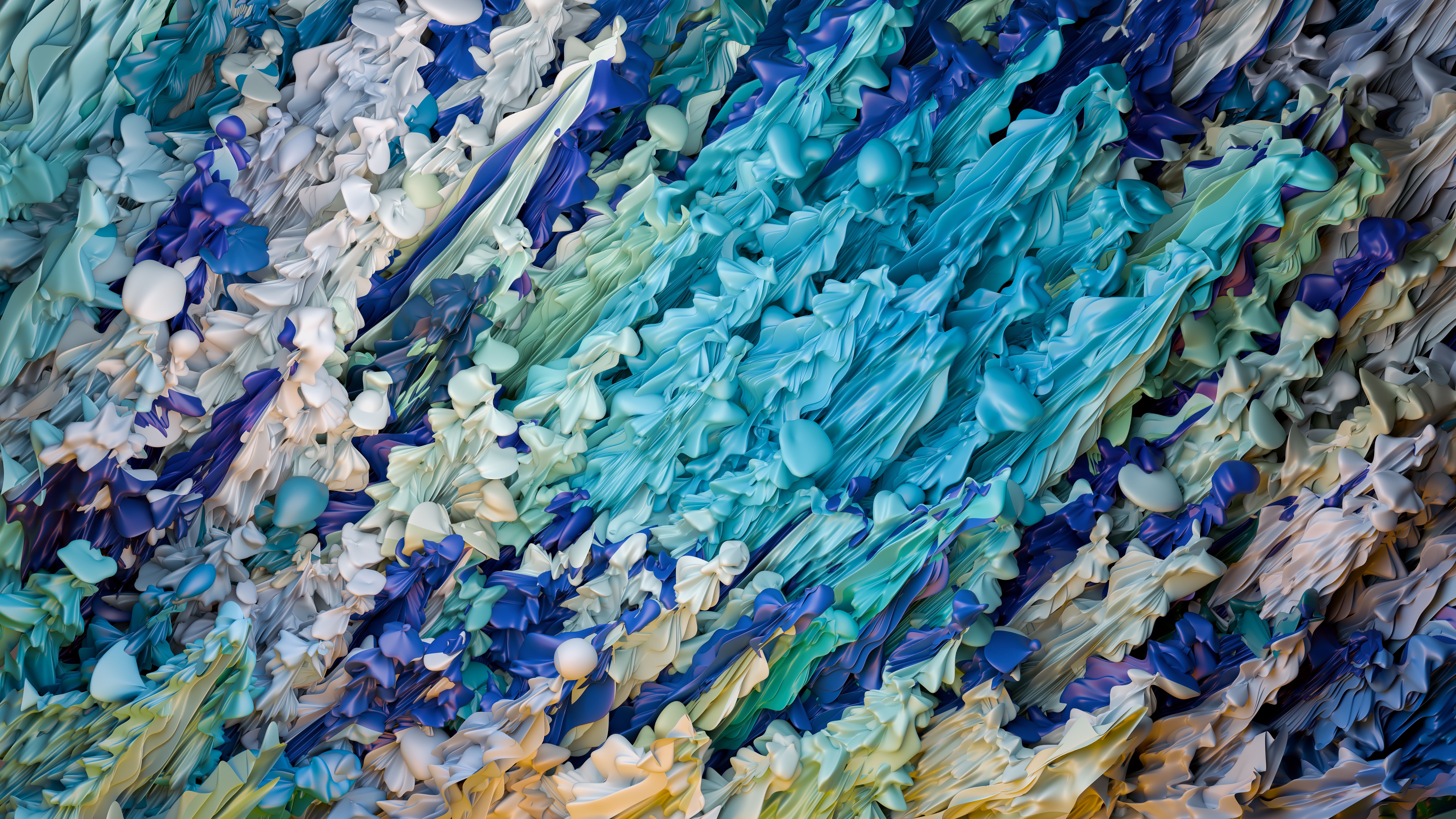
Experimentation is key when working with synthetic pigments. Try different techniques such as layering, blending, or creating textured effects. You can also mix pigments to create custom colors that perfectly match your vision.
For added texture, consider incorporating materials like sand or gel mediums. These can enhance the visual interest of your artwork and provide a unique tactile experience. Don't be afraid to push the boundaries and explore new combinations.
Preserving Your Artwork
To ensure the longevity of your creations, it's important to protect your finished pieces. Apply a clear varnish or sealant to shield the pigments from dust and UV rays. This will help maintain the vibrancy and integrity of your artwork over time.
Store your artwork in a cool, dry place to prevent any potential damage from humidity or temperature fluctuations. With proper care, your DIY projects using pigmenti sintetici will continue to inspire and delight for years to come.