
How to Choose the Right Technical Pigments for Industrial Applications


Understanding Technical Pigments
Technical pigments are essential components in various industrial applications, providing color, opacity, and additional functionalities. Selecting the right pigment can significantly enhance a product's performance, making it crucial to understand their properties and uses.
These pigments are not just about color; they also impact the durability, heat resistance, and chemical stability of the final product. Therefore, when choosing pigments, it's vital to consider the specific needs of your application.
Key Factors to Consider
Color and Opacity
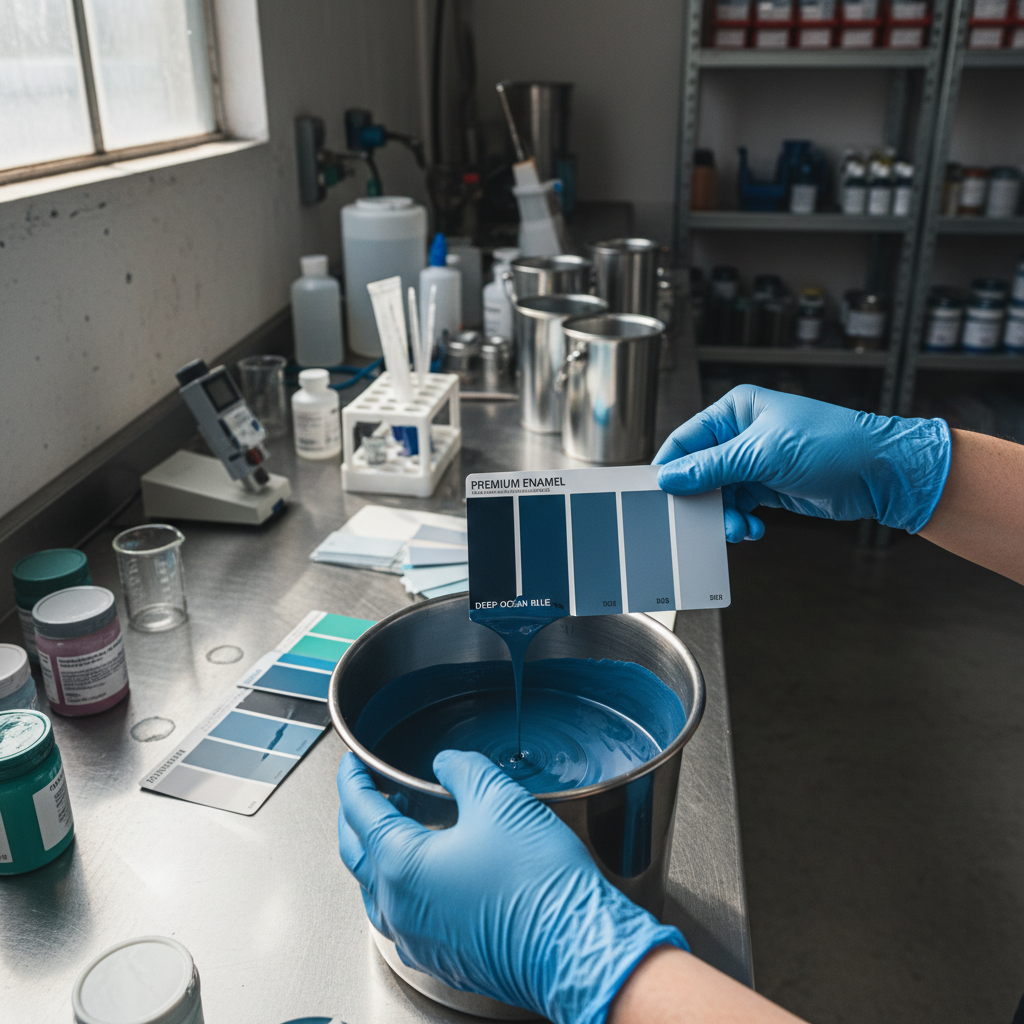
The primary consideration is often the color and opacity that the pigment provides. Depending on your requirements, you may need a pigment that offers a specific hue or one that provides excellent coverage. Consider the end-use environment, as certain colors may fade or change under UV exposure.
Chemical Compatibility
Another crucial factor is the chemical compatibility of the pigment with the medium it will be mixed with. Some pigments may react with certain chemicals, leading to undesirable effects. Always test the pigment in a small batch before full-scale production.

Performance Characteristics
Durability and Stability
For industrial applications, durability and stability are key. Technical pigments should withstand environmental factors such as heat, moisture, and UV light without degrading. Choose pigments known for their resilience in harsh conditions.
Heat and Light Resistance
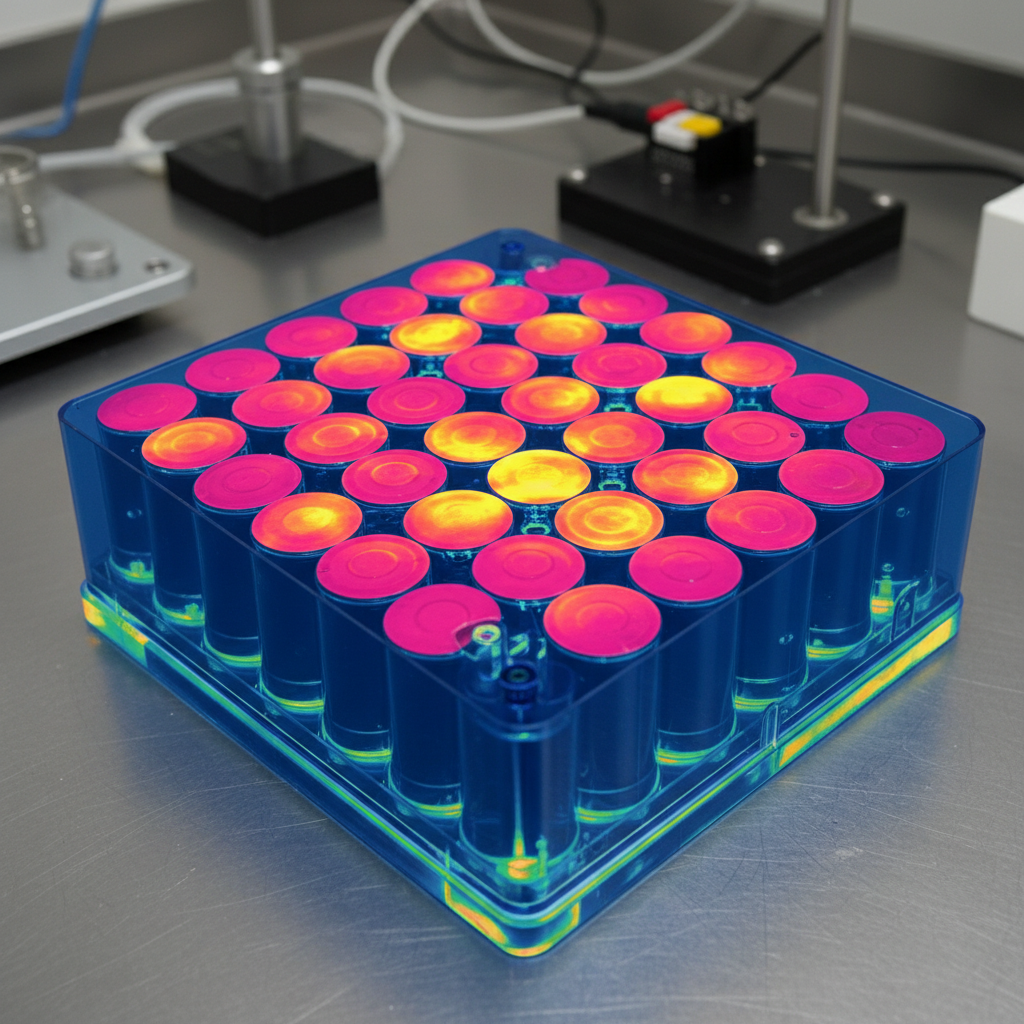
If your product will be exposed to high temperatures, select pigments with excellent heat resistance. Similarly, ensure that your pigments do not degrade or change color under prolonged light exposure, especially sunlight.
Environmental and Safety Considerations
With increasing regulations, it's important to choose pigments that are environmentally friendly and safe for use. Look for pigments that comply with industry standards and have minimal environmental impact.
Additionally, consider the safety of workers handling these pigments. Some pigments can be hazardous, so appropriate safety measures and personal protective equipment should be in place.
Conclusion
Choosing the right technical pigments involves a careful balance of color, performance, compatibility, and safety. By understanding these factors, you can make informed decisions that enhance the quality and longevity of your industrial applications.
Invest time in researching and testing different pigments to find the best fit for your specific needs, ensuring optimal results and satisfaction.