
How to Choose the Right Natural Dye for Your Project


Understanding Natural Dyes
Natural dyes have been used for centuries to color fabrics, fibers, and other materials. They are derived from plants, minerals, and sometimes insects, offering a sustainable and eco-friendly alternative to synthetic dyes. Choosing the right natural dye for your project can enhance the aesthetic appeal and sustainability of your work.
When selecting a natural dye, it's essential to consider the type of material you are working with. Different dyes interact uniquely with various fibers, such as cotton, wool, silk, or linen. Understanding these interactions will ensure vibrant and long-lasting results.
Types of Natural Dyes
Plant-Based Dyes
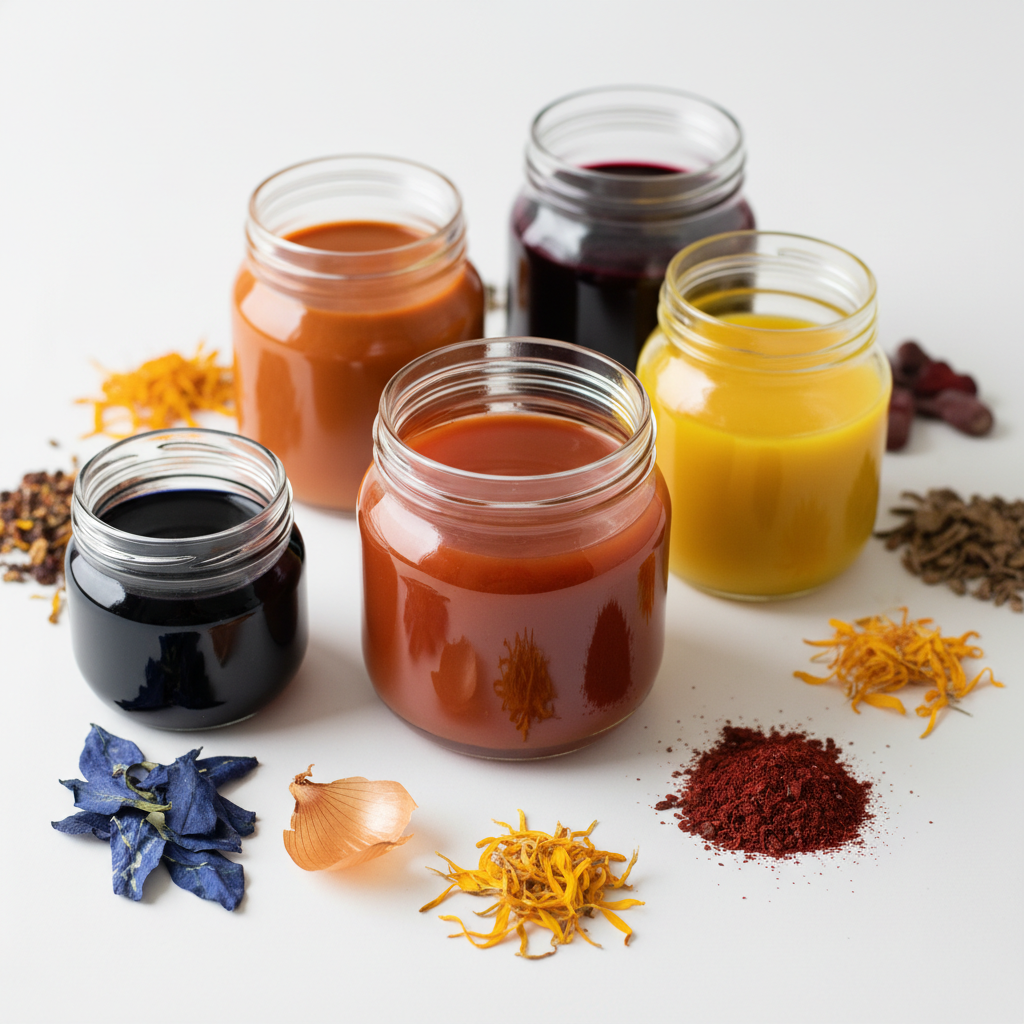
Plant-based dyes are among the most popular choices for natural dyeing. Common sources include indigo, turmeric, and madder. Each offers a distinct color palette ranging from blues to yellows and reds. The choice of plant-based dye depends on the desired hue and the fiber's compatibility.
Mineral and Insect Dyes
Mineral dyes, such as ochre and clay, provide earthy tones and are often used for their durability. In contrast, insect dyes like cochineal produce vibrant reds and pinks. These options can add unique touches to your project, but they may require more specific preparation and application techniques.

Factors to Consider
Colorfastness
One crucial factor is the colorfastness of the dye, which refers to how well the color resists fading over time. Some natural dyes may require a mordant, a substance that helps fix the dye to the fabric, to enhance colorfastness. Common mordants include alum and iron.
Environmental Impact
Natural dyes are generally more eco-friendly than synthetic options. However, consider the sourcing and processing methods. Some natural dyes may involve significant water use or impact local ecosystems. Researching the source and selecting sustainably harvested materials can minimize environmental impact.
Steps to Choose the Right Dye
When choosing the right natural dye for your project, follow these steps:
- Identify the material you are dyeing and its compatibility with natural dyes.
- Determine the desired color and select a dye source that can achieve that hue.
- Consider the availability and sustainability of the dye materials.
- Test a small sample before committing to the entire project to ensure desired results.
Experiment and Enjoy
Experimenting with natural dyes can be a rewarding process that connects you to traditional practices and sustainable methods. With patience and creativity, you can achieve stunning results that are both beautiful and environmentally conscious.
By carefully selecting your natural dye and considering factors like material compatibility, colorfastness, and environmental impact, you can create projects that are not only visually appealing but also meaningful and sustainable.