Exploring Plant-Based Derivatives in Industrial Applications


The Rise of Plant-Based Derivatives
In recent years, the focus on sustainability has led to a significant shift towards plant-based derivatives in various industrial applications. These natural alternatives offer a promising path to reducing the environmental impact of traditional materials while maintaining functionality and efficiency.
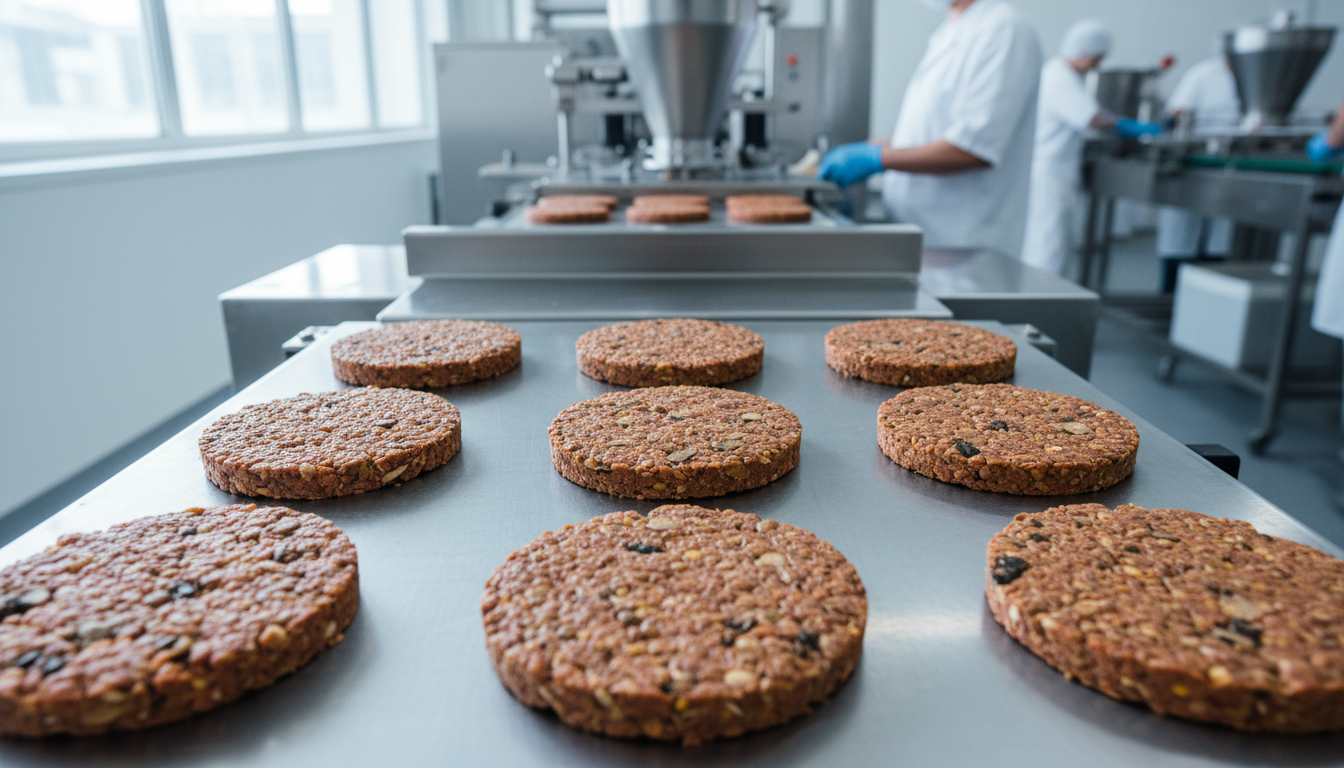
Plant-based derivatives are derived from renewable resources, making them an eco-friendly option. They can be harvested sustainably, reducing the reliance on non-renewable fossil fuels. This shift not only addresses environmental concerns but also aligns with the growing consumer demand for green products.
Applications in Packaging
One of the most compelling uses of plant-based derivatives is in the packaging industry. Biodegradable packaging materials are gaining traction as companies aim to reduce plastic waste. Materials such as polylactic acid (PLA), derived from corn starch, are being used to create compostable packaging solutions.
These plant-based materials offer durability and flexibility similar to traditional plastics but decompose naturally, minimizing landfill contributions. This innovation is crucial as businesses strive to meet eco-friendly standards and governmental regulations.
Textiles and Fabrics
The textile industry is another sector that benefits from plant-based derivatives. Fibers such as cotton, bamboo, and hemp are being used to create sustainable fabrics. These materials not only reduce environmental impact but also offer superior comfort and breathability.
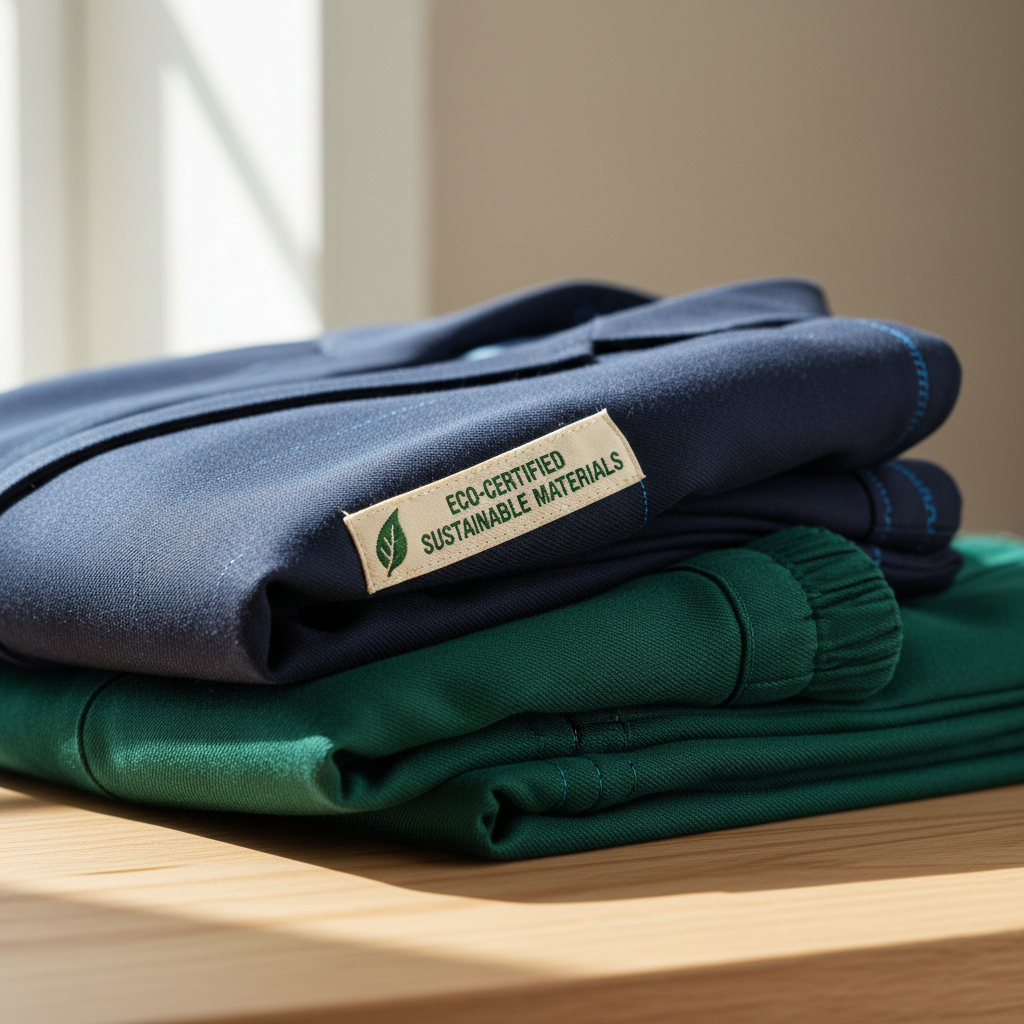
Innovations like Tencel, made from wood pulp, highlight how plant-based derivatives can revolutionize the clothing industry. With growing awareness of fast fashion's environmental impact, these materials provide a compelling alternative for both manufacturers and consumers.
The Role in Construction
In construction, plant-based derivatives are becoming increasingly popular. Materials like hempcrete, a mixture of hemp hurds and lime, offer sustainable building solutions. This biocomposite material provides excellent insulation, is lightweight, and has a low carbon footprint.
Such materials contribute to energy-efficient buildings and are part of a broader movement towards sustainable architecture. They demonstrate how plant-based derivatives can be integrated into large-scale industrial applications.

Challenges and Future Prospects
Despite the advantages, there are challenges to the widespread adoption of plant-based derivatives. Cost, scalability, and performance compared to traditional materials are often cited as barriers. However, ongoing research and technological advancements are addressing these issues.
The future of plant-based derivatives in industrial applications is promising. As technology evolves, these materials are expected to become more cost-effective and versatile, paving the way for broader adoption across industries.
Conclusion
Exploring plant-based derivatives offers a path towards a more sustainable and environmentally friendly industrial landscape. From packaging to construction, these materials provide innovative solutions that align with global sustainability goals.
As industries continue to evolve, the integration of plant-based derivatives will likely play a crucial role in shaping a greener future. By embracing these alternatives, businesses can reduce their environmental impact and meet the demands of a conscientious consumer base.