
Expert Insights: Innovations in Food and Pharmaceutical Colorants


In recent years, the landscape of food and pharmaceutical colorants has witnessed remarkable innovations, transforming both industries. Experts are continuously exploring new methods to enhance the appeal and functionality of these products while ensuring consumer safety and environmental sustainability.
Natural Colorants: A Growing Trend
The shift towards natural colorants is a significant trend in both the food and pharmaceutical sectors. Consumers are increasingly wary of synthetic additives, prompting manufacturers to explore alternatives derived from plants, fruits, and vegetables. These natural sources not only offer vibrant hues but also come with added health benefits.

One of the most popular natural colorants is turmeric, known for its bright yellow pigment and anti-inflammatory properties. Similarly, beetroot provides a rich red color, and spirulina lends a striking blue-green hue. These options are not only visually appealing but also align with the growing demand for clean-label products.
Innovative Extraction Techniques
To meet the demand for natural colorants, researchers are developing innovative extraction techniques. Supercritical fluid extraction (SFE) is gaining attention due to its ability to produce high-quality natural pigments without the use of harmful solvents. This method preserves the integrity of the colorants, ensuring they remain potent and effective.
Additionally, advancements in microencapsulation technology have allowed for more stable and long-lasting colorants. This technique involves encasing pigments in protective coatings, which enhance their stability and prevent degradation during processing and storage.

Applications in the Pharmaceutical Industry
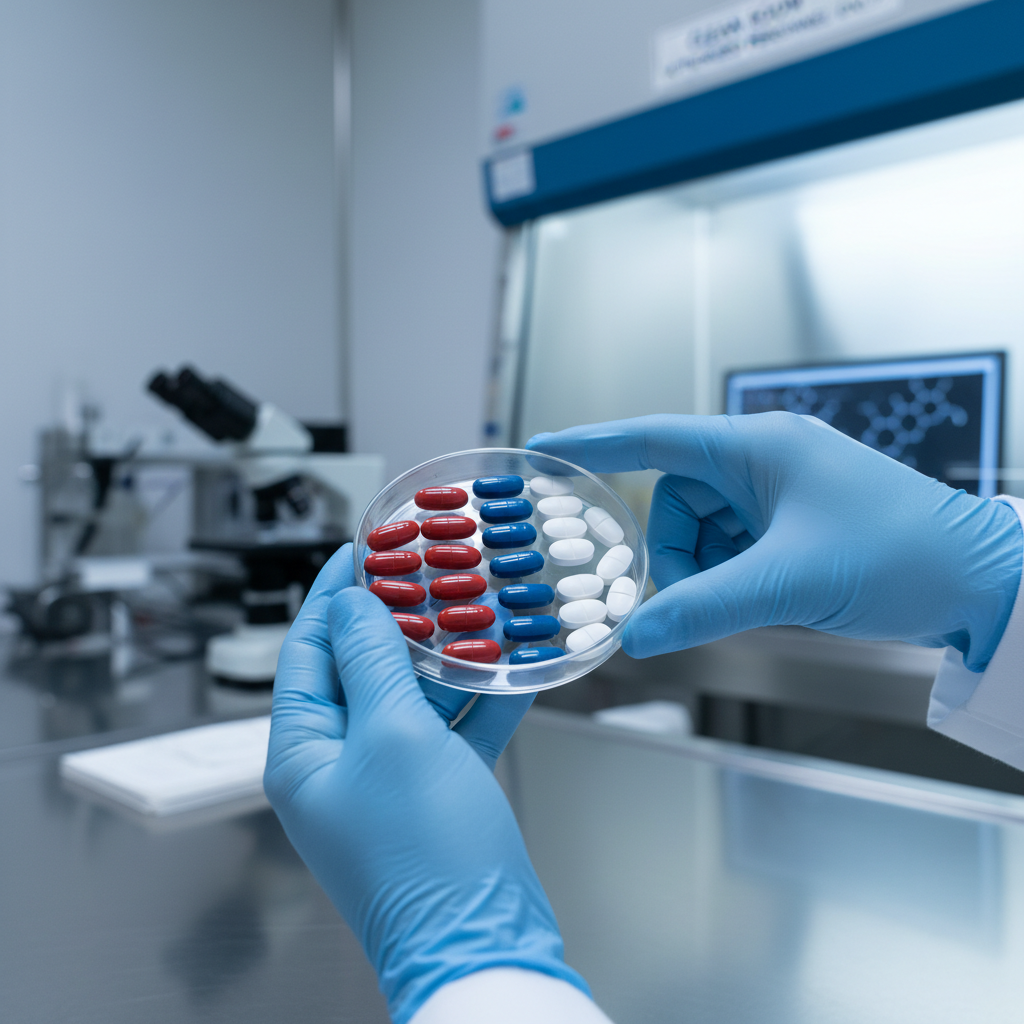
In the pharmaceutical industry, colorants play a crucial role in branding, patient compliance, and drug stability. Innovations in this field focus on creating colorants that are safe for consumption and compatible with various drug formulations.
Researchers are exploring the use of biocompatible and biodegradable colorants made from natural sources. These colorants not only improve the aesthetic appeal of medications but also ensure safety and efficacy. The development of color-changing indicators for drug expiration is another exciting advancement, helping patients and healthcare providers monitor the freshness of medications.
Regulatory and Environmental Considerations
As the demand for innovative colorants grows, so does the importance of regulatory compliance and environmental sustainability. Regulatory bodies like the FDA and EFSA are continually updating guidelines to ensure that colorants used in food and pharmaceuticals are safe for consumption.
Moreover, there is a strong push towards reducing the environmental impact of colorant production. Sustainable practices, such as using renewable resources and minimizing waste, are becoming integral to the development process. This focus not only benefits the environment but also enhances brand reputation and consumer trust.
The Future of Colorants
The future of food and pharmaceutical colorants looks promising, with ongoing research and development paving the way for more sustainable and effective solutions. As technology advances, we can expect to see even more innovative approaches that prioritize consumer health and environmental responsibility.
From natural sources to cutting-edge extraction methods, the innovations in colorants are reshaping industries and setting new standards. As these advancements continue to unfold, they promise to deliver products that are not only safe and effective but also aligned with the values of today’s conscientious consumers.