
DIY Tips: Creating Natural Dyes at Home with Plant Extracts


Introduction to Natural Dyes
Creating natural dyes at home is a rewarding and eco-friendly way to add color to your fabrics, yarns, and even Easter eggs. By using plant extracts, you can achieve a wide range of beautiful hues without the need for synthetic chemicals.
Natural dyes have been used for centuries, and they offer a sustainable alternative to commercial dyes. Let's explore how you can start making your own dyes using materials from your garden or local market.
Gathering Your Materials
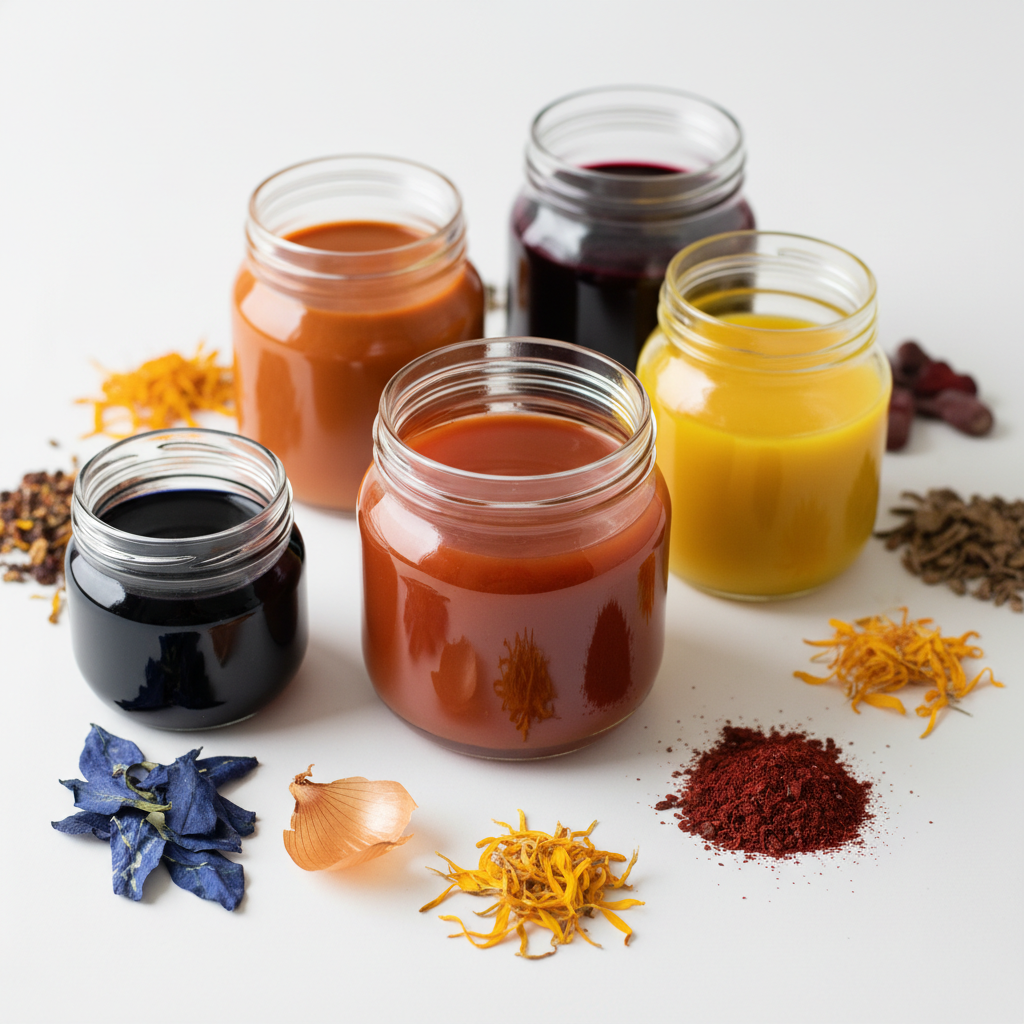
Before you begin, gather the necessary materials. You'll need a selection of plant materials, such as flowers, leaves, roots, or berries. Some popular choices include onion skins, turmeric, red cabbage, and beets. You'll also need a large pot, water, and a strainer or cheesecloth.
It's important to note that the color you achieve will depend on the plant material you use, the fabric type, and the mordant, which helps the dye bind to the fiber. Common mordants include vinegar, salt, and alum.
Preparing the Dye
To prepare your dye, chop the plant materials into small pieces and place them in a pot. Add enough water to cover the materials, and bring the mixture to a boil. Once boiling, reduce the heat and let it simmer for about an hour. This process extracts the natural pigments from the plants.

Straining the Dye
After simmering, strain the liquid through a strainer or cheesecloth to remove the plant solids. What you're left with is a rich, colored liquid ready for dyeing. Remember to wear gloves to avoid staining your hands.
Dyeing Your Fabric
Before dyeing, soak your fabric in a mordant solution. This step is crucial for ensuring the dye adheres properly. For example, use vinegar for protein fibers like wool and salt for cellulose fibers like cotton.

Immersing the Fabric
Place the pre-treated fabric into the dye bath and allow it to soak. The longer you leave it, the deeper the color will become. Stir occasionally to ensure even coloring. When you're satisfied with the shade, remove the fabric and rinse it in cold water until the water runs clear.
Experimenting with Colors
One of the joys of making natural dyes is experimenting with different plant materials and mordants to create unique shades. Try combining different plants or adjusting the simmering time to achieve various results.
Keep a journal of your experiments to replicate successful colors in the future. Over time, you'll develop a palette of natural hues tailored to your tastes.
Caring for Naturally Dyed Items
Natural dyes can be more sensitive to washing and sunlight than synthetic dyes. To preserve the vibrancy of your dyed items, wash them in cold water with a gentle detergent and avoid prolonged sun exposure.
With care, your naturally dyed creations can bring beauty and sustainability to your wardrobe and home decor.
Conclusion
Creating natural dyes at home is not only an enjoyable craft but also a way to connect with nature and reduce your environmental impact. By following these simple steps, you can start transforming ordinary fabrics into vibrant works of art.
Embrace the creativity and sustainability of natural dyeing, and discover the endless possibilities that await!