
DIY Natural Dye Projects: Incorporating Plant Extracts


Discover the vibrant world of natural dyes, where you can transform textiles and garments using plant extracts. This eco-friendly approach not only reduces chemical use but also connects you with nature in a meaningful way.
Why Choose Natural Dyes?
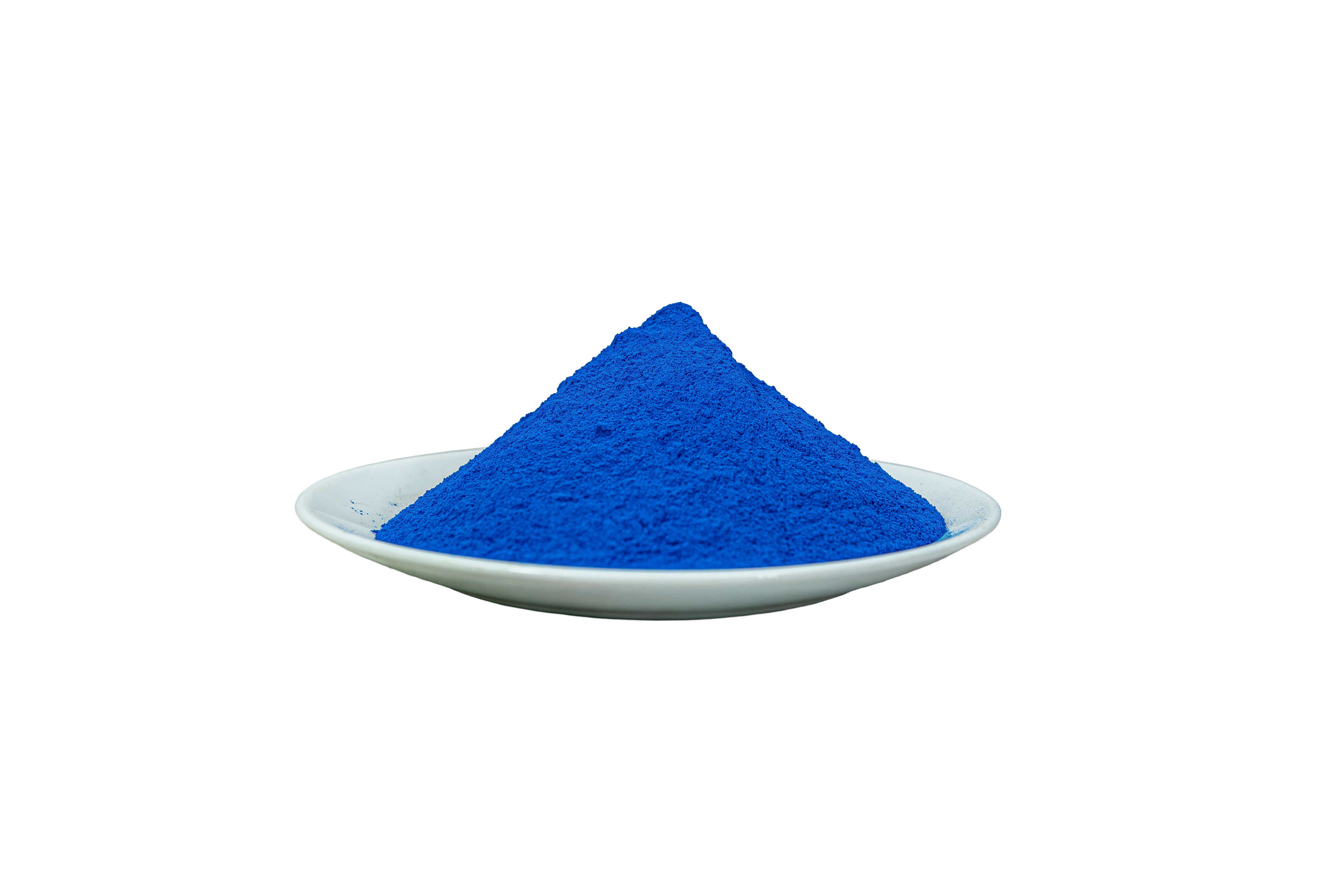
Natural dyes are a sustainable alternative to synthetic dyes, offering a palette of earthy and rich hues. By using plants, you reduce environmental impact and create unique, non-toxic colors for your projects. Plus, it's a creative way to upcycle old fabrics.
Many natural dyes are derived from common plants like turmeric, beets, and indigo. These resources are often readily available and easy to extract, making them perfect for DIY enthusiasts.
Essential Materials for Your Project
Before you begin, gather the necessary materials. You’ll need:
- Natural fibers (like cotton, wool, or silk)
- Plant material for dyeing
- Mordant (to fix the dye)
- Large pot for boiling
- Strainer or cheesecloth

Preparing the Fabric
To ensure the dye adheres properly, prepare your fabric by washing it to remove any finishes. Next, treat the fabric with a mordant. Common mordants include alum and vinegar, which help the dye bind to the fibers.
Soak the fabric in a solution of water and mordant for at least an hour. This step is crucial for achieving vibrant, lasting colors.
Extracting Plant Dyes
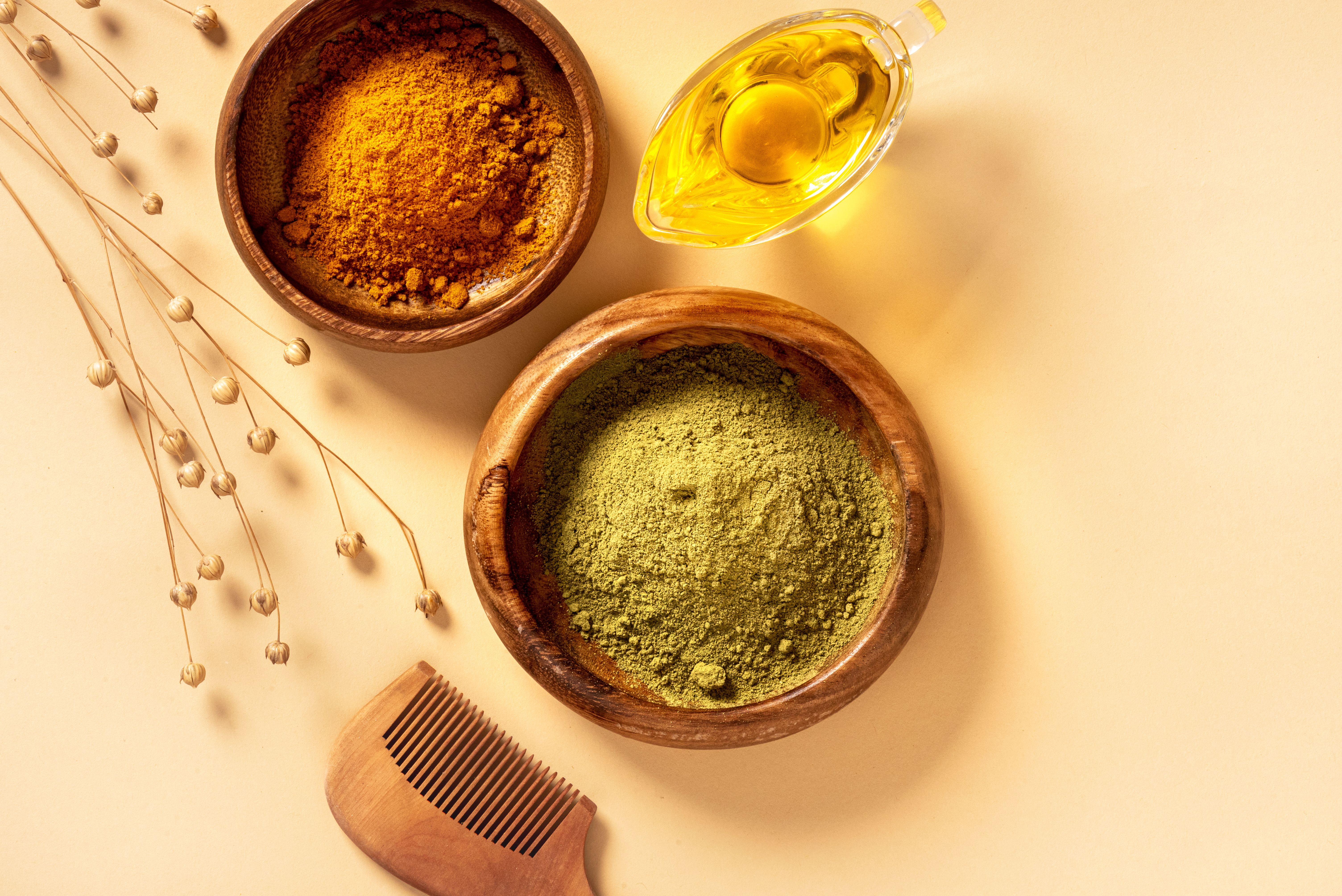
Once your fabric is ready, it's time to extract the dye from your chosen plants. Chop the plant material into small pieces. Boil them in water, simmering for about an hour to release the pigments.
After boiling, strain the liquid to remove plant debris. This dyed water is now your color base for dyeing fabrics.
Applying the Dye
Place your prepared fabric into the dye bath, ensuring it is fully submerged. Simmer the fabric in the dye for at least an hour, stirring occasionally for even color distribution.
Once dyed, rinse the fabric with cold water until the water runs clear. This step helps to remove any excess dye and lock in the color.
Final Touches
After rinsing, dry the fabric in a shaded area. Direct sunlight can fade the colors, so opt for an indoor drying space if possible. Once dry, your naturally dyed fabric is ready to use in various projects, from clothing to home decor.
Experimenting with natural dyes opens a world of creativity and sustainability. By incorporating plant extracts into your DIY projects, you contribute to a healthier planet while enjoying the art of crafting.