
Comparing Synthetic vs. Natural Pigments: What You Need to Know


When it comes to creating vibrant colors in art, cosmetics, and various industries, the choice between synthetic and natural pigments plays a crucial role. Each type of pigment offers distinct advantages and considerations, making it essential to understand their differences and applications.
Understanding Synthetic Pigments
Synthetic pigments are artificially created through chemical processes. These pigments are popular due to their consistency and vibrant colors. They are designed to meet specific requirements and can be produced in large quantities, making them cost-effective for mass production.
One of the main advantages of synthetic pigments is their durability. They are resistant to fading, providing long-lasting color in products ranging from paints to textiles. Additionally, synthetic pigments offer a wider range of colors compared to natural options.

Applications of Synthetic Pigments
Synthetic pigments are widely used in industries such as automotive, cosmetics, and printing. In cosmetics, they provide bright, consistent hues for products like lipsticks and eyeshadows. Their stability and range make them ideal for products that require uniformity in color.
Exploring Natural Pigments
Natural pigments originate from plant, mineral, or animal sources. These pigments have been used for centuries and are valued for their eco-friendly and non-toxic nature. They often possess unique shades that are difficult to replicate synthetically.
While natural pigments offer a more environmentally conscious choice, they can vary in color consistency. Factors such as weather conditions and soil quality can affect the final hue, leading to variations between batches.
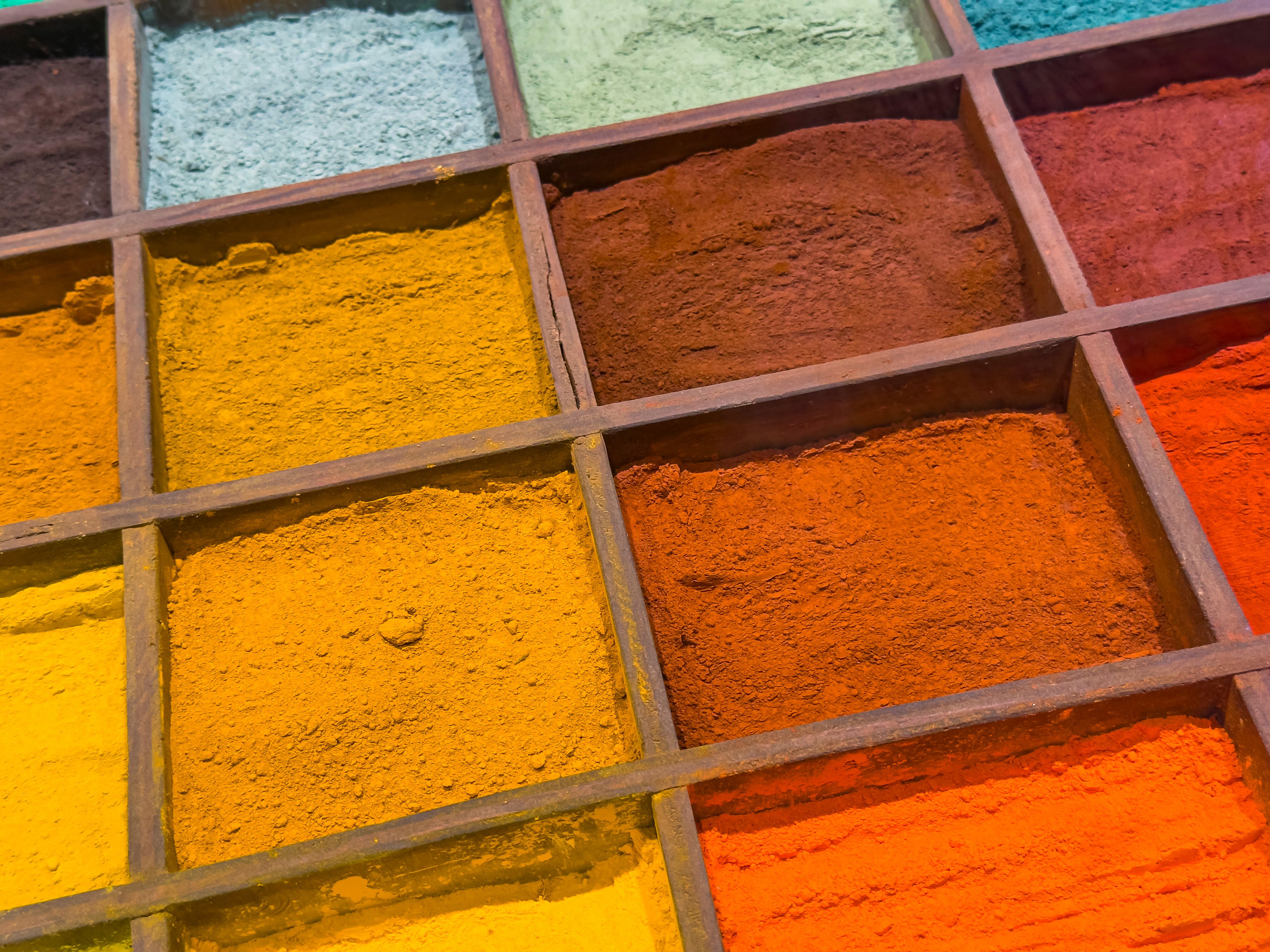
Applications of Natural Pigments
Natural pigments are favored in products where organic and sustainable ingredients are prioritized, such as in organic cosmetics and artisanal crafts. They are also used in food products to provide natural coloring without synthetic additives.
Comparing Performance and Safety
When comparing the two, synthetic pigments generally offer superior performance in terms of color vibrancy and stability. However, natural pigments are often considered safer for sensitive applications due to their non-toxic properties.
It's important for manufacturers and consumers to weigh the benefits of each type, considering factors like environmental impact, safety, and cost. The choice often depends on the intended use and desired outcome of the product.

Conclusion: Making the Right Choice
Ultimately, the decision between synthetic and natural pigments should be guided by the specific needs of the project or product. For those prioritizing sustainability and natural ingredients, natural pigments may be the better option. Conversely, if consistency and a broad color palette are required, synthetic pigments might be the way to go.
Both types of pigments play essential roles in various industries, and understanding their unique properties can help in making informed decisions.