
Comparing Natural vs. Synthetic Dyes: What’s Best for Your Needs?


Understanding the Basics of Dyes
Dyes have been used for centuries to impart color to fabrics, foods, and many other materials. They can be broadly classified into two categories: natural and synthetic. Knowing the differences between these types can help you make informed decisions based on your specific needs and preferences.
What Are Natural Dyes?
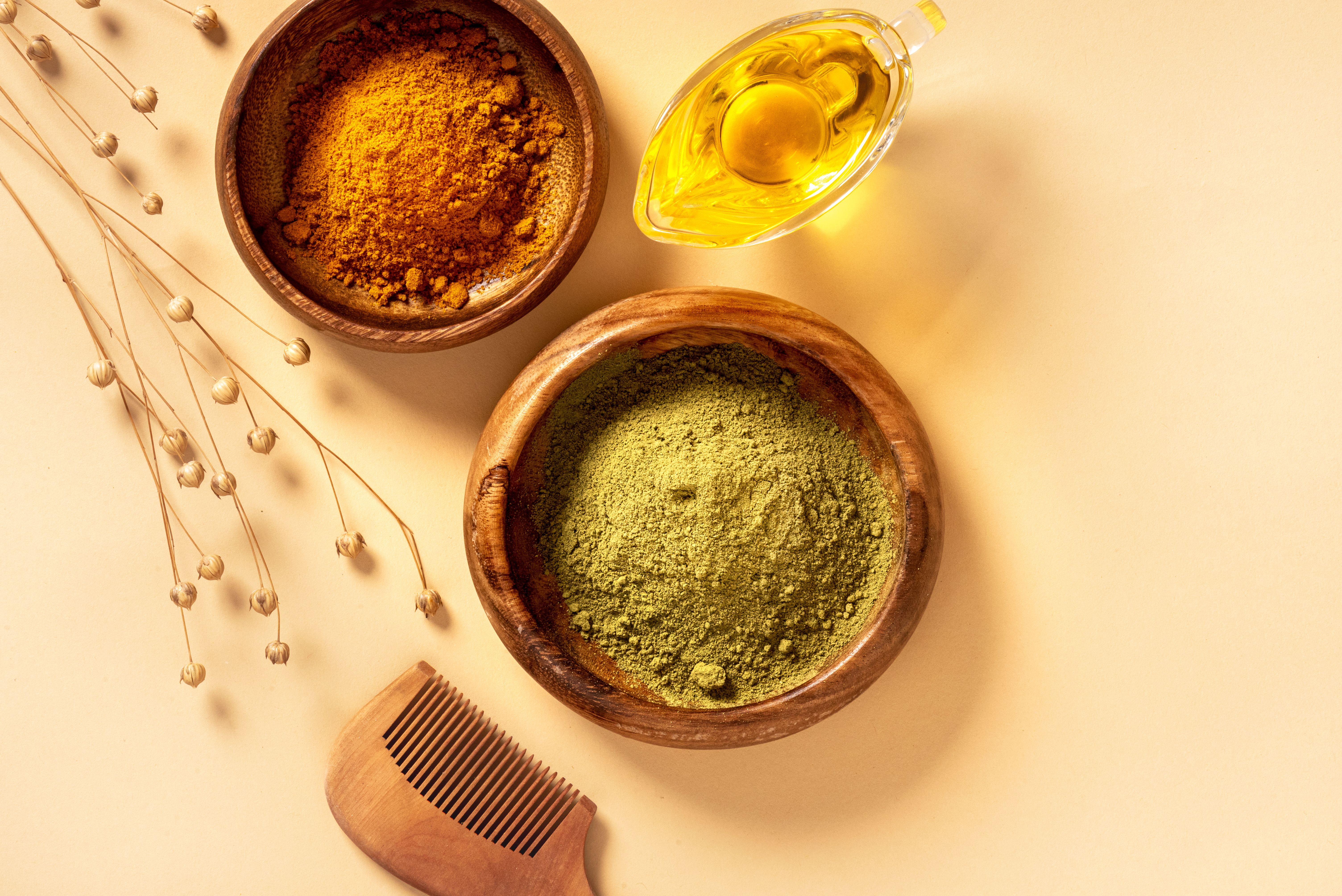
Natural dyes are derived from plant, animal, or mineral sources. Common examples include indigo, turmeric, and cochineal. These dyes are often praised for their eco-friendly nature and the unique, subtle hues they produce. Many crafters and artisans prefer natural dyes for their sustainability and connection to traditional practices.
Advantages of Natural Dyes
Natural dyes are biodegradable and have a lower environmental impact compared to synthetic dyes. They are often non-toxic and safer for both the dyeing process and the wearers of the dyed products. Additionally, natural dyes provide a wide range of colors that can change over time, adding a dynamic element to the materials.

Exploring Synthetic Dyes
Synthetic dyes, on the other hand, are man-made and typically produced from petrochemicals. These dyes offer a vast array of colors and are widely used in industrial applications due to their cost-effectiveness and consistency.
Benefits of Synthetic Dyes
Synthetic dyes are known for their vibrant and long-lasting colors. They are also more resistant to fading from washing and sunlight exposure. The production process of synthetic dyes allows for greater color precision and consistency, making them ideal for large-scale manufacturing.

Comparing the Environmental Impact
When it comes to environmental considerations, natural dyes generally have a smaller ecological footprint. They require less energy to produce and often use less water. However, the cultivation of dye plants can impact land use and biodiversity. Synthetic dyes, while efficient in production, can contribute to water pollution and require more chemical processing.
Choosing the Right Dye for Your Needs
Your choice between natural and synthetic dyes may depend on several factors, including sustainability priorities, color requirements, and budget considerations. Here are some points to consider:
- Sustainability: If environmental impact is a key concern, natural dyes may be the better option.
- Color Variety: For a wider range of vibrant colors, synthetic dyes are advantageous.
- Budget: Synthetic dyes are generally more cost-effective for large-scale projects.
Ultimately, both natural and synthetic dyes have their own unique benefits and drawbacks. Consider your specific needs to make the most informed decision.