
Common Myths About Lacche for Cosmetics Debunked


Understanding Lacche in Cosmetics
Lacche, a natural resin derived from the secretions of the lac insect, has been used for centuries in various applications, including cosmetics. Despite its longstanding history, several myths and misconceptions surround its use in beauty products.
Myth 1: Lacche is Harmful to Skin
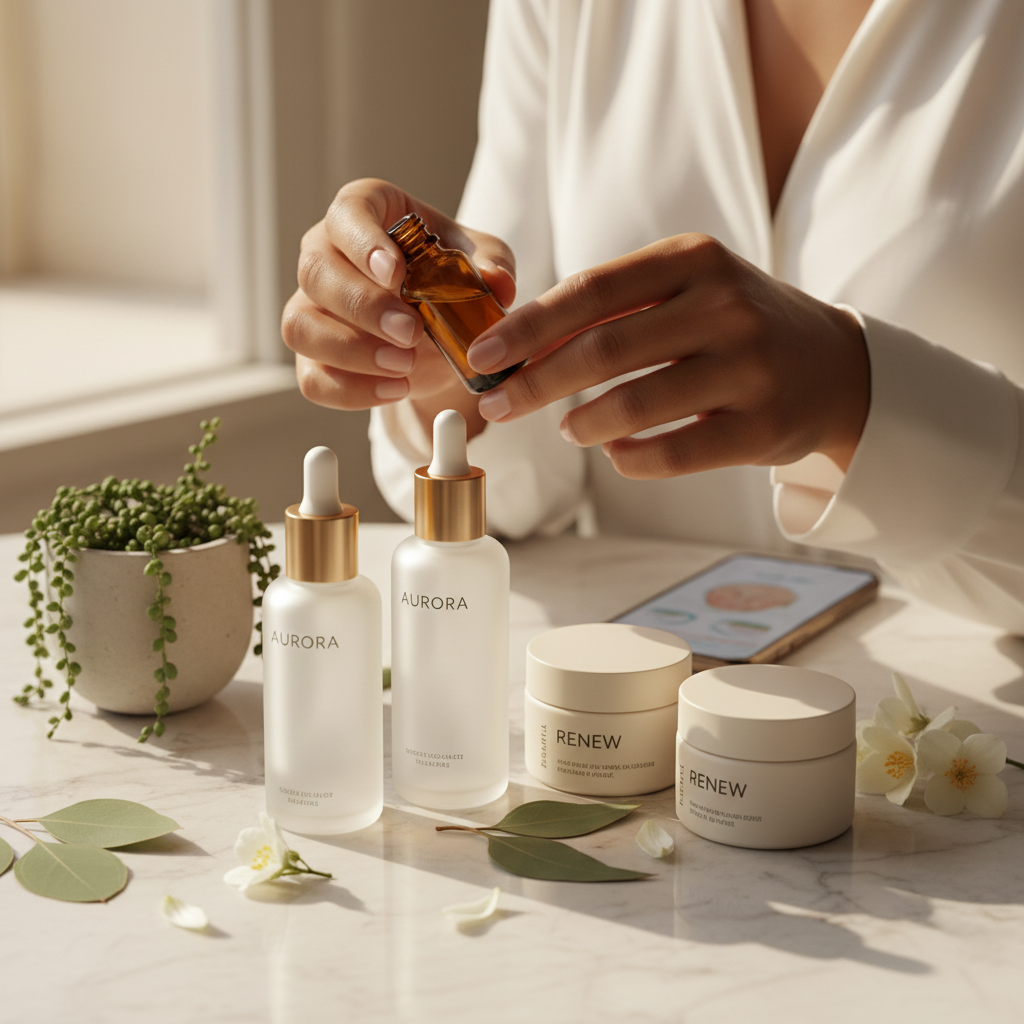
One common myth is that lacche can be harmful to the skin. However, this is largely unfounded. Lacche is a natural product and is generally considered safe for cosmetic use. It is often used in nail polishes and lipsticks, providing a natural sheen and smooth finish.
Like any ingredient, it's essential to ensure that it is properly refined and processed to maintain safety and efficacy. Reputable cosmetic brands take these precautions to ensure consumer safety.
Myth 2: Lacche Causes Allergic Reactions
Another misconception is that lacche frequently causes allergic reactions. While allergies can occur with any substance, lacche is not a common allergen. Most people can use lacche-based products without any adverse effects.

Individuals with specific allergies should always check the ingredient list of cosmetics and perform a patch test if using a new product. This practice helps prevent unexpected reactions and ensures peace of mind.
The Benefits of Using Lacche
Lacche is prized for its natural properties. It provides an excellent film-forming ability, which is why it's popular in nail polishes and sealants. This natural resin also offers gloss and durability, enhancing the quality of cosmetic products.
Myth 3: Lacche is Outdated
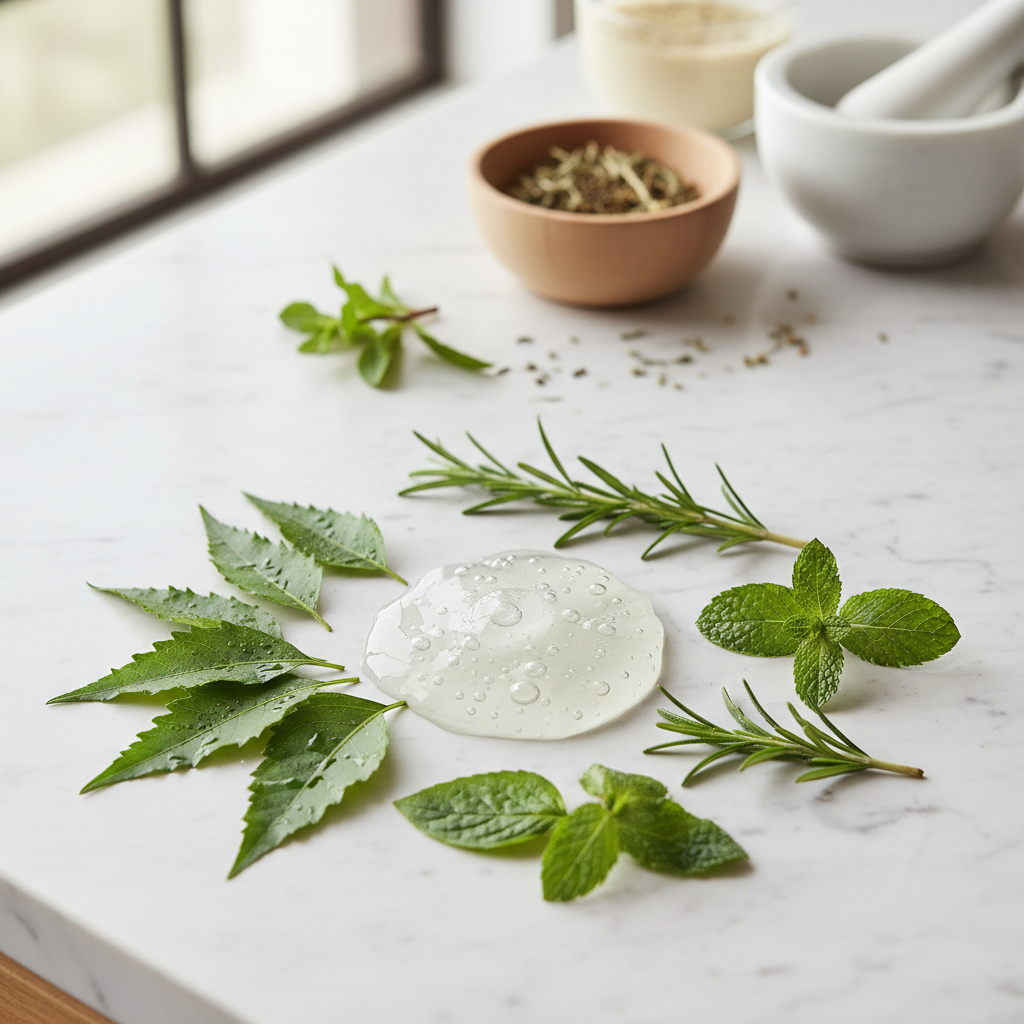
Some believe that lacche is outdated and has been replaced by synthetic alternatives. However, the trend towards natural and sustainable ingredients in cosmetics has revived interest in lacche. Its eco-friendly nature aligns with the growing consumer demand for sustainable beauty products.
Moreover, lacche's versatility and effectiveness ensure its continued relevance in modern formulations. Its ability to provide a natural gloss and protection makes it a valuable component in cosmetics.
Conclusion
Understanding the reality behind lacche in cosmetics helps consumers make informed choices. By debunking these myths, we can appreciate the benefits of this natural resin and its role in creating high-quality, sustainable beauty products.