
Common Myths About Dyes and Pigments: Expert Insights from KRENDALL srl


Understanding Dyes and Pigments
The world of dyes and pigments is vibrant and fascinating, yet it is often surrounded by myths and misconceptions. At KRENDALL srl, we believe in shedding light on these common myths to help you make informed decisions. Whether you're a professional in the industry or simply curious, this guide will provide expert insights into the truths behind these colorful substances.
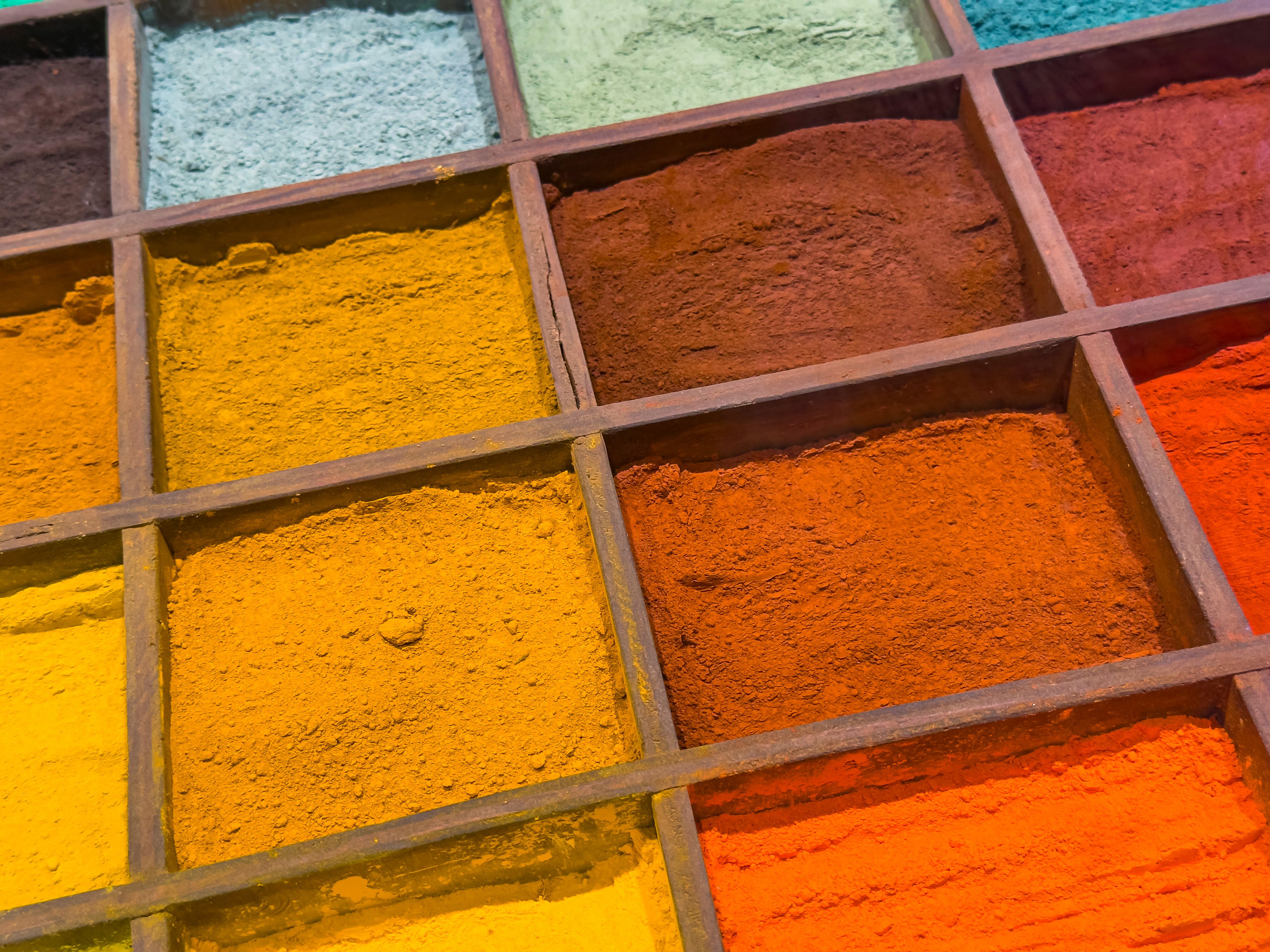
Myth 1: Dyes and Pigments Are the Same
One of the most pervasive myths is that dyes and pigments are identical. While both are used to impart color, they differ fundamentally in their composition and application. Dyes are soluble and bond chemically with the material they color, whereas pigments are insoluble and require a binder to adhere to surfaces. Understanding this distinction is crucial for choosing the right colorant for your specific needs.
Myth 2: Natural Dyes Are Always Better
Natural dyes are often perceived as superior due to their eco-friendly origins. However, they sometimes lack the vibrancy and consistency provided by synthetic dyes. While natural dyes are an excellent choice for certain applications, they may not always meet the durability and colorfastness requirements needed in industries like textiles and automotive.

Myth 3: Pigments Are Not Suitable for Fabric
Another common misconception is that pigments cannot be used for fabric dyeing. While it's true that pigments don't chemically bond with fibers, advancements in technology have led to the development of pigment printing techniques. These methods use binders to fix pigments onto fabrics, offering a wide range of colors and patterns.
The Role of Technology in Color Applications
Technological innovations have transformed the ways we use dyes and pigments. From digital printing to sustainable dyeing processes, technology is paving the way for more efficient and eco-friendly solutions. At KRENDALL srl, we are at the forefront of these developments, ensuring that our products meet modern demands while reducing environmental impact.

Myth 4: All Synthetic Dyes Are Harmful
While some synthetic dyes have been criticized for their environmental impact, not all are harmful. Advances in chemistry have led to the creation of low-impact synthetic dyes that are safer for the environment. Properly regulated and used, these dyes can offer brilliant colors without the associated risks.
Myth 5: Color Fades Quickly
Many believe that dyed fabrics and materials will inevitably lose their color over time. However, this is not always the case. The longevity of color is largely dependent on the quality of the dye or pigment used, as well as the application process. High-quality products and advanced techniques ensure that colors remain vibrant for extended periods.

Conclusion: Dispelling Myths for Better Choices
Understanding the truths behind these myths allows consumers and professionals alike to make better choices in their use of dyes and pigments. Whether it's selecting the right type of colorant or exploring the latest technological advancements, informed decisions lead to better results. At KRENDALL srl, we're committed to providing accurate information and high-quality products to meet all your color needs.