
A Comprehensive Guide to Using Natural Dyes in Textiles


Exploring the world of natural dyes can be a rewarding experience, offering a sustainable and eco-friendly alternative to synthetic dyes. Natural dyes have been used for centuries, with artisans utilizing various plants, minerals, and insects to create vibrant colors. This guide will walk you through the basics of using natural dyes in textiles, providing tips and insights to get you started on your dyeing journey.

Understanding Natural Dyes
Natural dyes are derived from natural sources such as plants, minerals, and animals. These dyes are known for their rich and earthy tones, which can vary based on the source and method of extraction. Unlike synthetic dyes, natural dyes are biodegradable and non-toxic, making them a more environmentally friendly option.
Some popular sources of natural dyes include:
- Plants: Such as indigo, madder, and turmeric.
- Animals: Like cochineal insects.
- Minerals: Such as ochre and iron oxide.
Preparing Your Fabric
Before dyeing, it’s essential to prepare your fabric properly to ensure the dye adheres well. This process involves cleaning the fabric to remove any residues and treating it with a mordant. A mordant is a substance that helps fix the dye to the fabric, enhancing both color and longevity.
Common mordants include alum, iron, and tannin. The choice of mordant can also influence the final color, so experimentation is encouraged to achieve your desired shade.
Extracting and Preparing Dyes
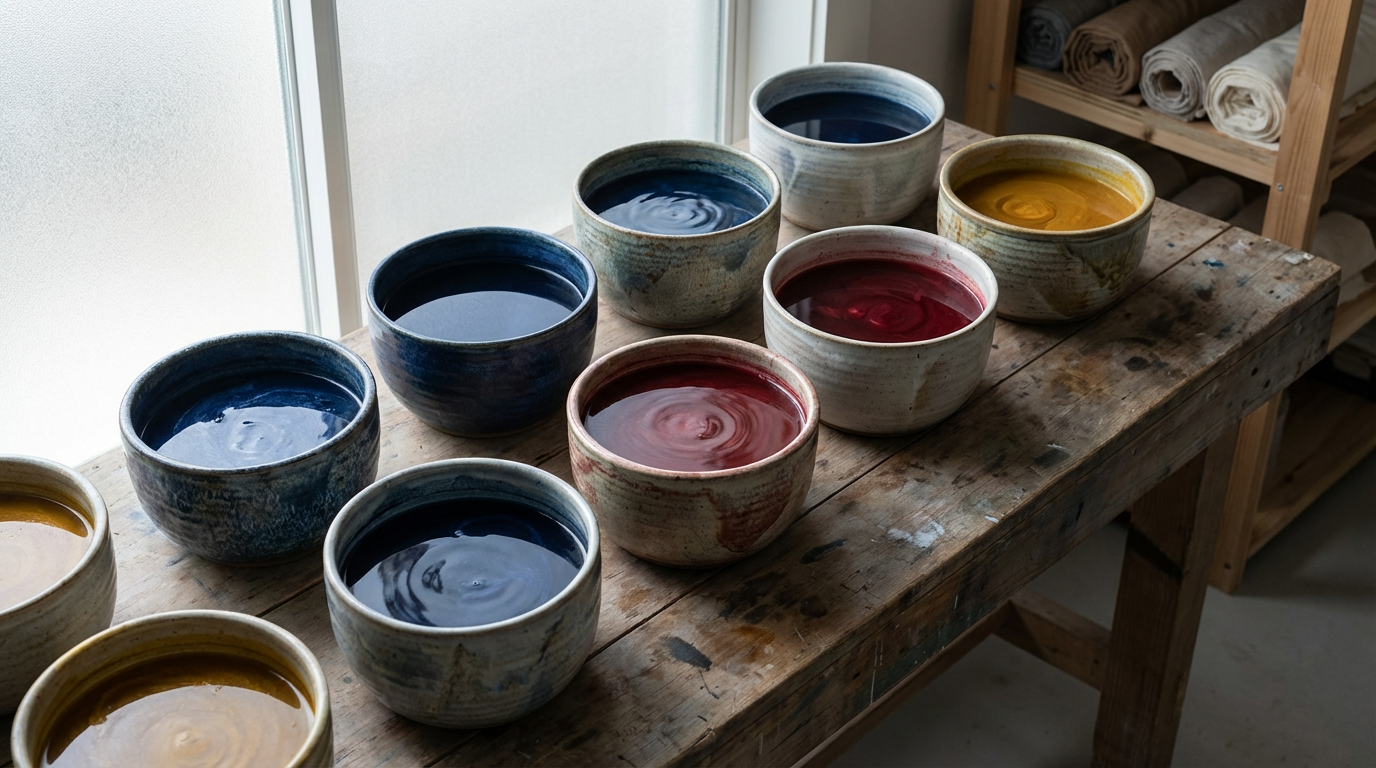
Extracting dyes from natural sources can be a simple process but requires patience. Depending on the source, you may need to chop, soak, or simmer the materials to release the dye. For instance, berries may require mashing, while roots might need boiling.
The concentration of the dye bath will determine the intensity of the color. It’s advisable to start with a small test batch to see the results before proceeding with larger quantities.
Dyeing Process
Once your dye is ready, you can begin the dyeing process. Submerge the pre-treated fabric into the dye bath, ensuring it is fully covered. The duration of dyeing can vary, with some materials requiring several hours to achieve the desired hue.

During the process, keep the dye bath at a consistent temperature and occasionally stir the fabric to ensure even coloring. Once the dyeing is complete, rinse the fabric in cold water until the water runs clear.
Caring for Naturally Dyed Textiles
Textiles dyed with natural dyes require special care to maintain their color and quality. It’s best to hand wash these fabrics using mild detergent and cold water. Avoid direct sunlight, as it can cause fading over time.
By following these steps, you can enjoy the beauty and uniqueness of naturally dyed textiles, contributing to a more sustainable and eco-friendly world.