
A Comparison of Synthetic vs. Natural Dyes: What You Need to Know


When it comes to adding vibrant colors to textiles, the debate between synthetic and natural dyes is ongoing. Each type of dye has its unique characteristics, advantages, and drawbacks. Understanding these differences is crucial for making informed choices, whether for personal use or commercial production.
Understanding Synthetic Dyes
Synthetic dyes are man-made, typically derived from petrochemicals. These dyes are popular in the textile industry due to their wide range of available colors and affordability.
Advantages of Synthetic Dyes
One of the primary benefits of synthetic dyes is their consistency and reliability. They offer a vast array of vibrant colors that remain consistent across batches. Additionally, synthetic dyes are generally more resistant to fading and washing.

Another advantage is cost-effectiveness. Synthetic dyes are often cheaper to produce, making them an economical choice for large-scale operations.
Drawbacks of Synthetic Dyes
However, synthetic dyes have notable environmental impacts. The production process can release harmful chemicals into the environment, raising concerns about pollution and sustainability. Moreover, some synthetic dyes may cause allergic reactions in sensitive individuals.
Exploring Natural Dyes
Natural dyes are derived from plant, animal, or mineral sources. They have been used for centuries and are favored by those seeking eco-friendly and sustainable options.
Advantages of Natural Dyes
Natural dyes are environmentally friendly, as they are biodegradable and often sourced from renewable resources. They provide unique, earthy tones that are particularly appealing for artisanal and handcrafted items.
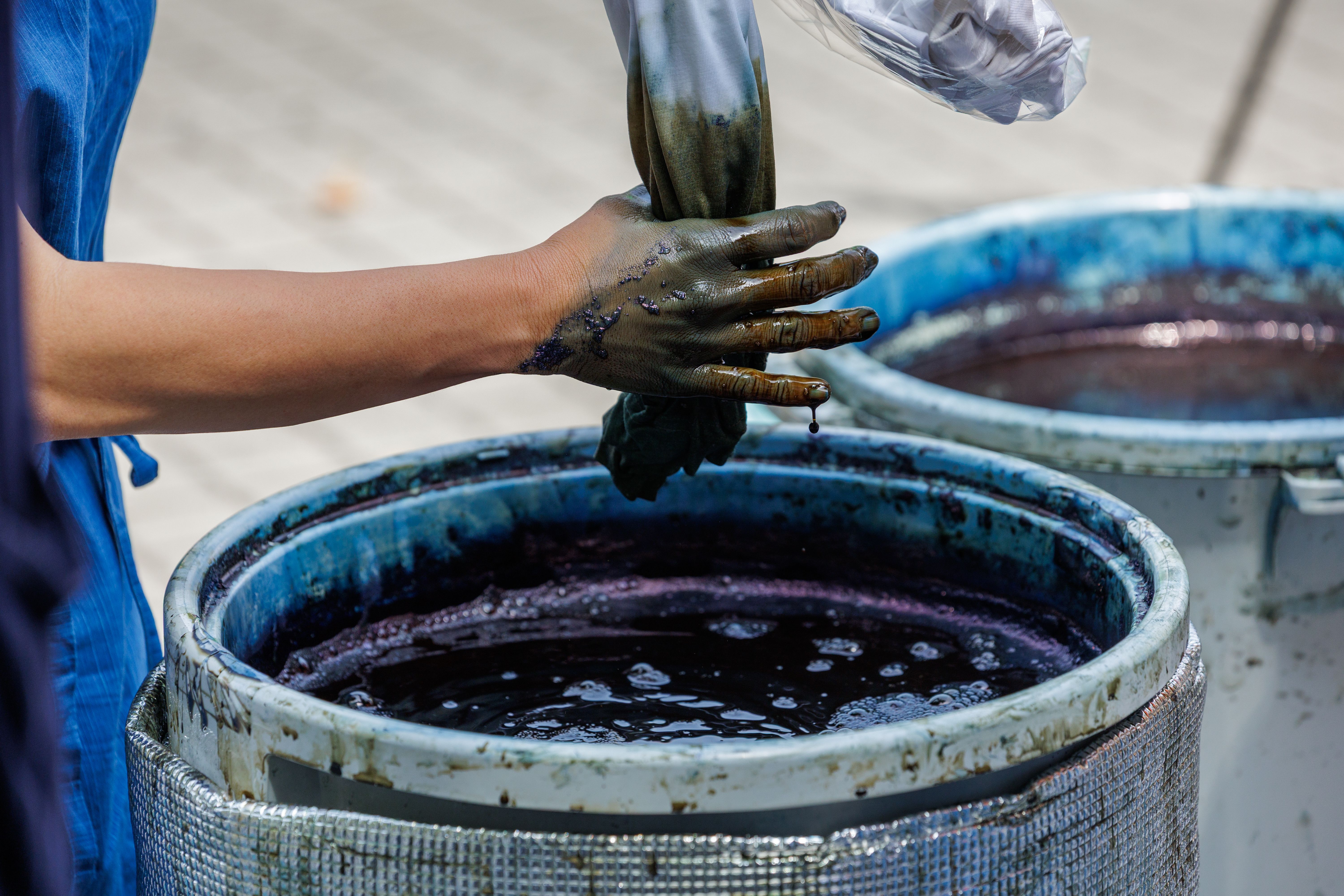
Additionally, natural dyes are less likely to cause skin irritation, making them a safer choice for individuals with allergies or sensitivities.
Drawbacks of Natural Dyes
One challenge with natural dyes is their limited color range and potential for inconsistency. Achieving the same shade across different batches can be difficult, which may not be suitable for commercial production. Furthermore, natural dyes may fade more quickly than synthetic alternatives.
Making the Right Choice
Choosing between synthetic and natural dyes depends on your priorities. If you value consistency, vibrancy, and cost-effectiveness, synthetic dyes might be the better choice. However, if sustainability, safety, and unique aesthetics are more important, natural dyes could be the way to go.
Ultimately, understanding the pros and cons of each type of dye will help you make informed decisions that align with your values and needs. Whether you opt for synthetic or natural dyes, each choice has its place in the colorful world of textiles.